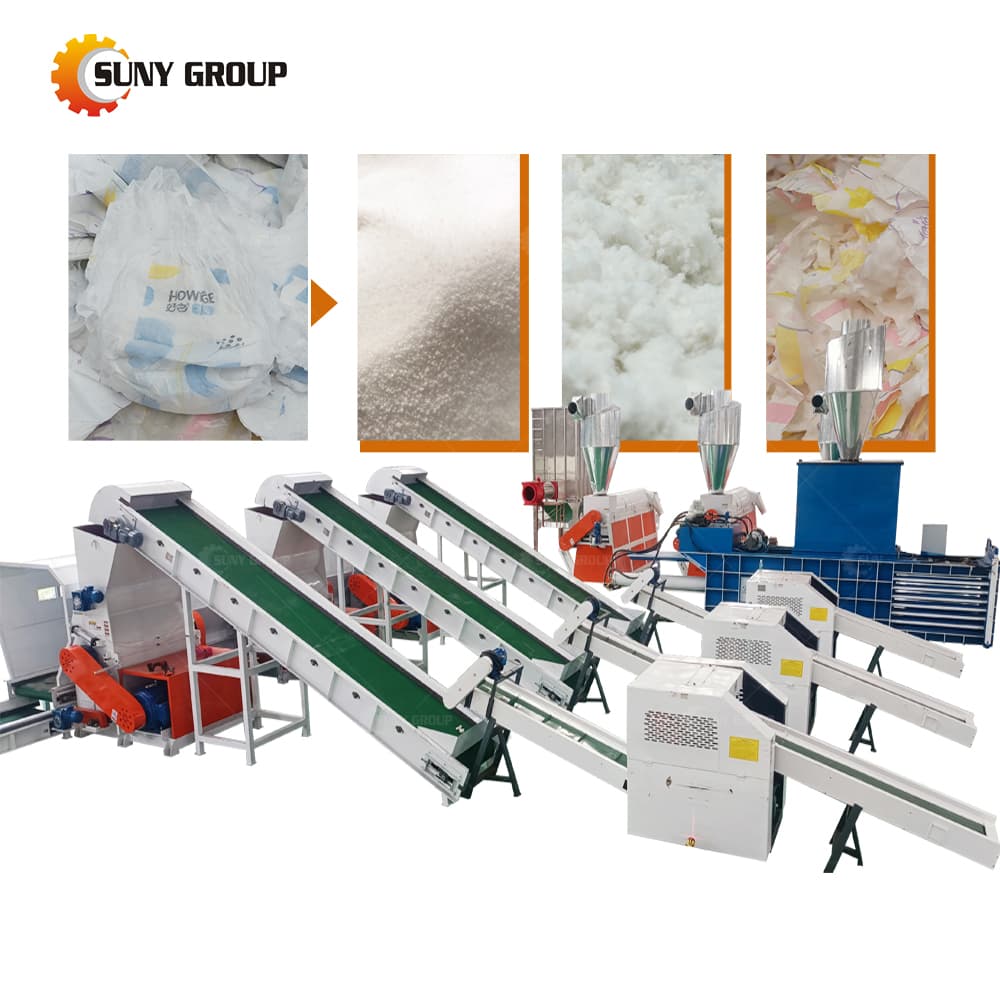
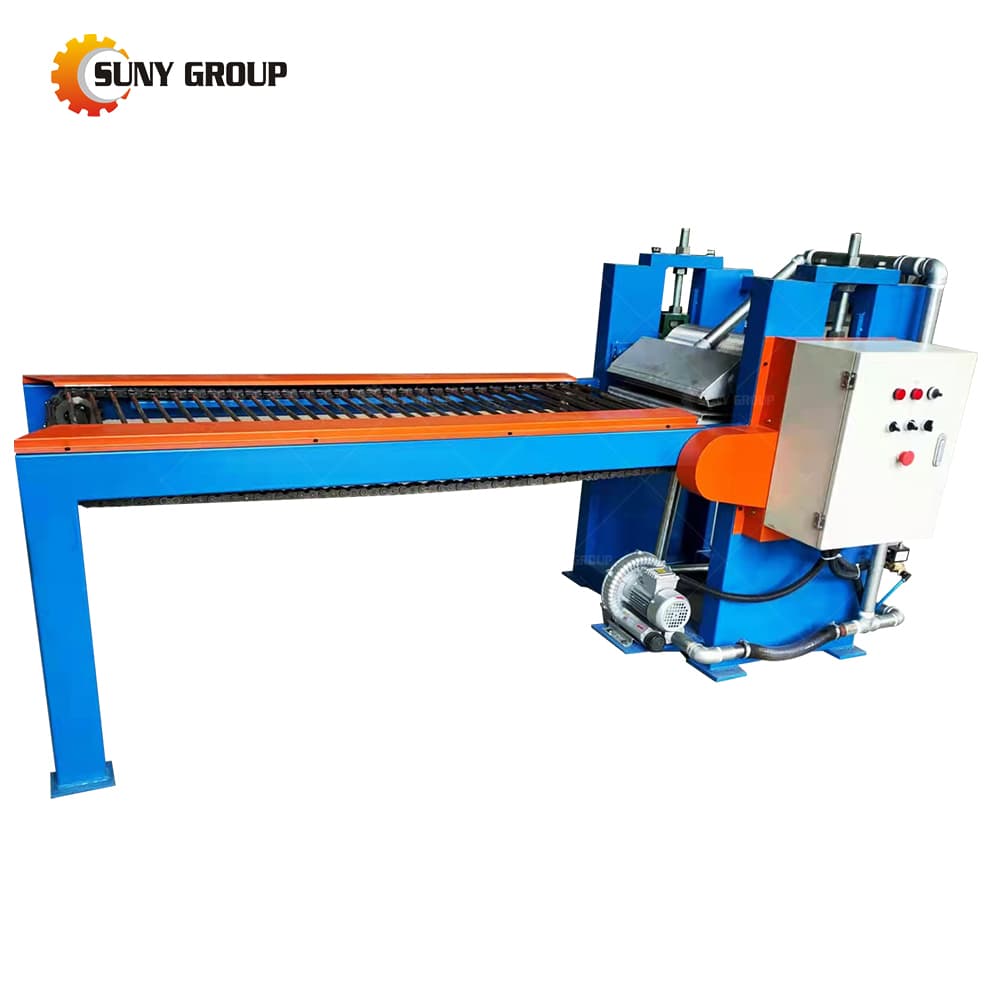
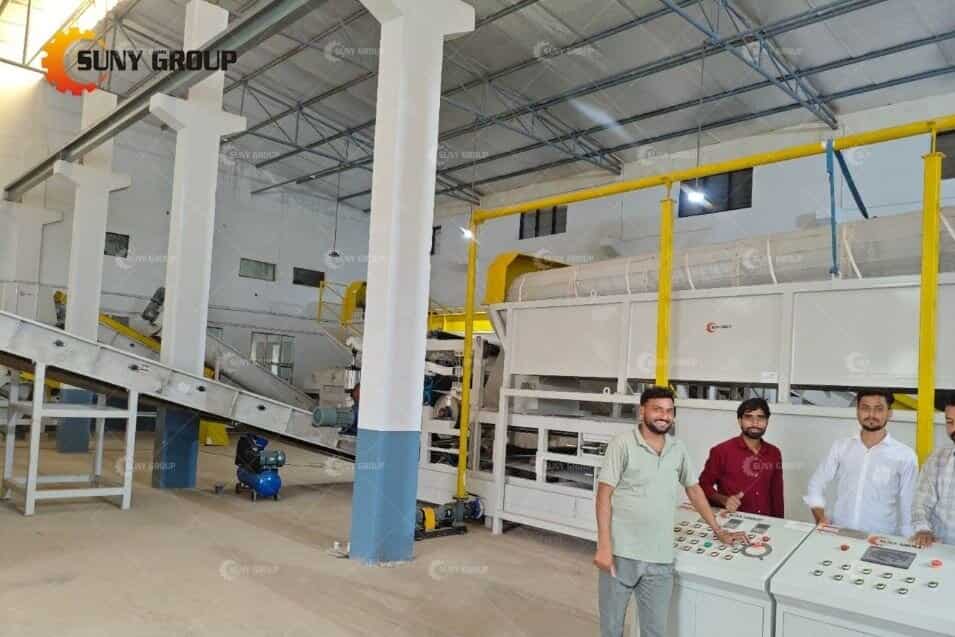
Compared with landfill disposal or incineration, the fully mechanical physical recycling process is more suitable for increasingly strict environmental regulations across Europe, North America, and Asia. The solution offers significant profit potential through the recovery of valuable aluminum and plastic materials while maintaining relatively low investment costs and high return potential. For continuous-feed industrial recycling systems with stable raw material supply, many operators aim to achieve an investment payback period within 12 to 24 months.
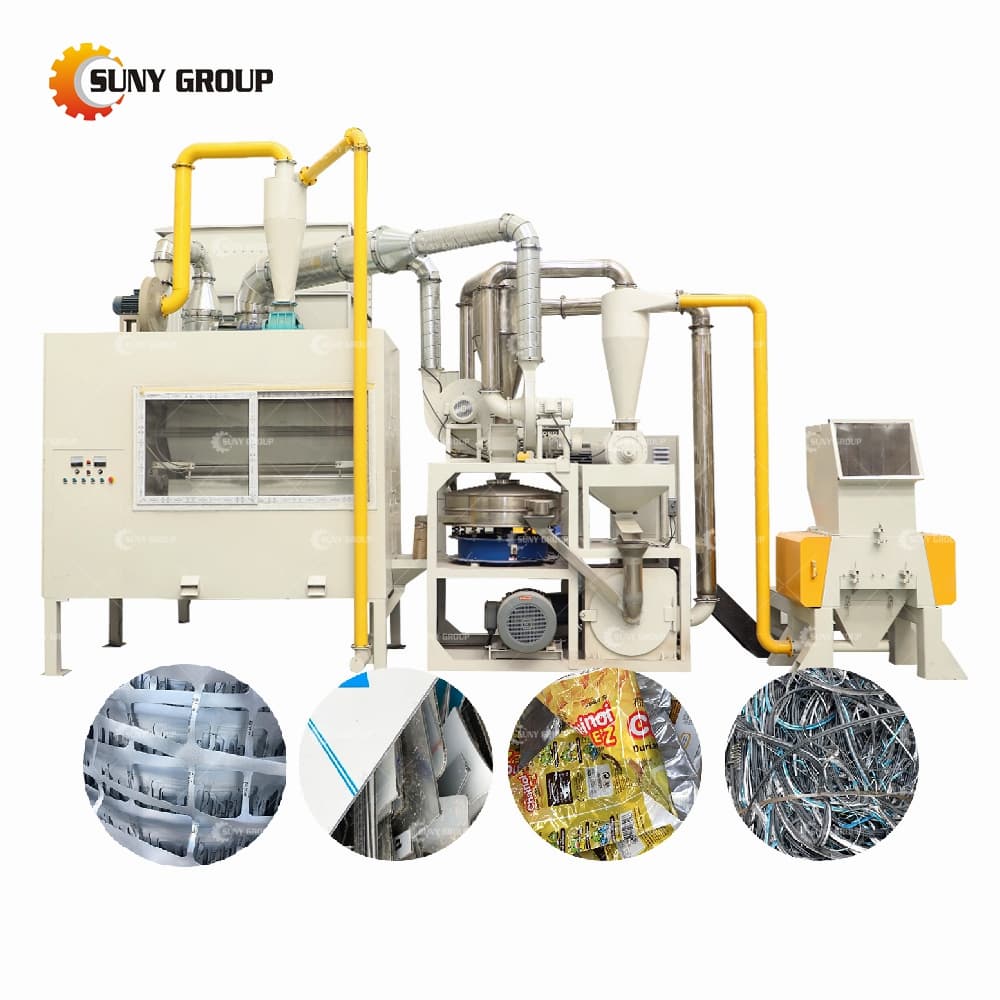
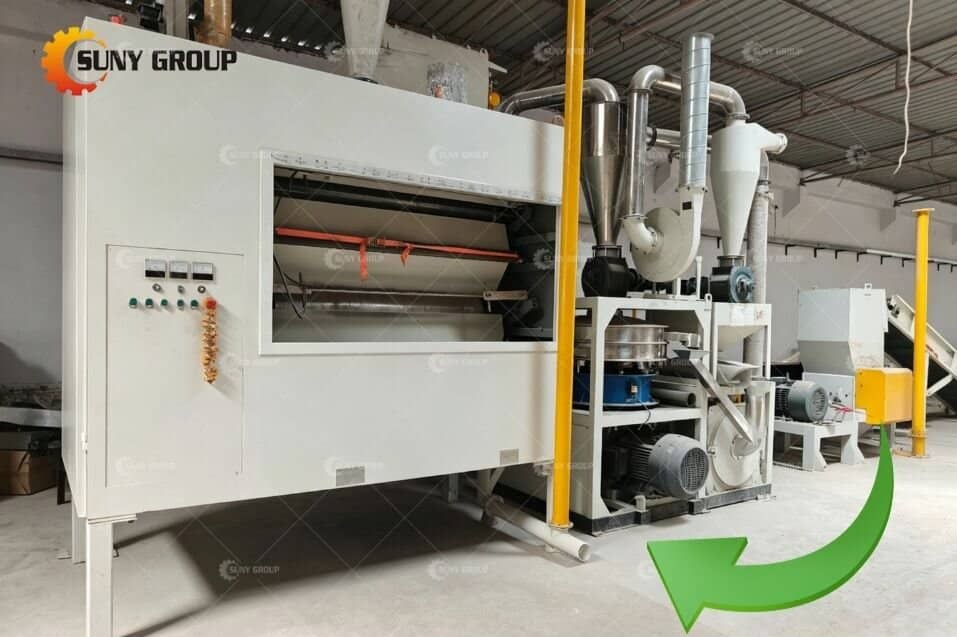
How a Pharma Blister Recycling Line Works A modern pharmaceutical blister recycling line is designed to efficiently separate aluminum foil from plastic materials through a fully dry physical recycling process. The system combines crushing, grinding, screening, airflow classification, and electrostatic separation technologies to achieve high-purity recovery of valuable materials. Typical processing stages include: ★ Crushing system for initial size reduction ★ Water-cooled turbo grinding mill for fine grinding of materials ★ Rotary vibrating screening system for particle classification ★ Electrostatic separation unit for aluminum-plastic separation ★ Pulse dust collection system for environmentally friendly operation ★ PLC intelligent control system for automated operation
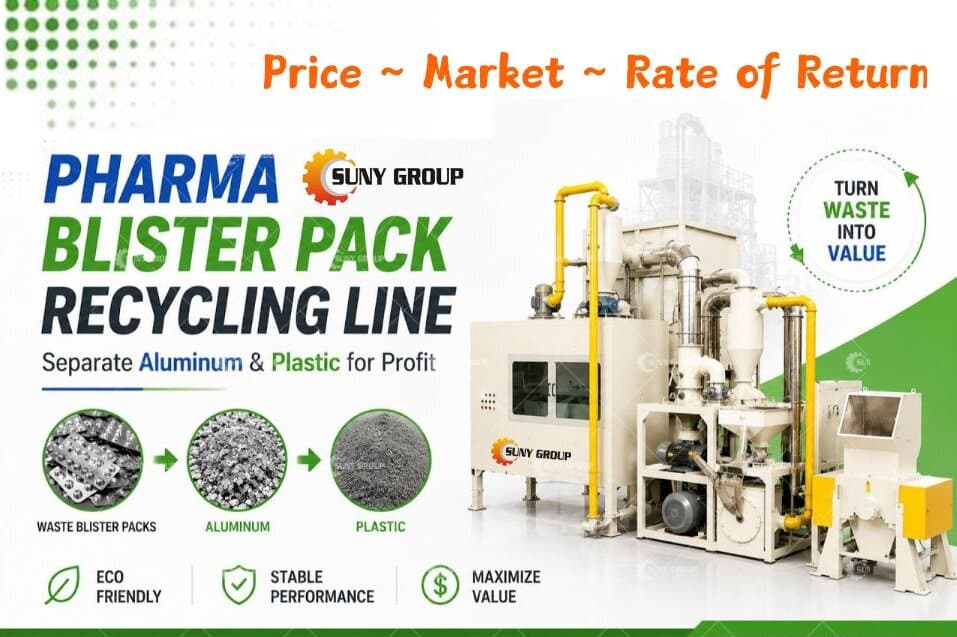 Pharmaceutical Blister Recycling Machine
During operation, waste pharmaceutical blister packs are first shredded by a knife crusher into flakes smaller than 10 mm, then fed into a high-speed water-cooled turbo grinding mill where the material is further pulverized into a mixed aluminum-plastic powder through continuous mechanical impact and friction. The water-cooling system helps maintain stable operating temperatures and ensures reliable long-term operation. After grinding, the material passes through a rotary vibrating screen for particle classification, and qualified particles are sent to the electrostatic separation system, where aluminum and plastic are separated according to their different electrical conductivity characteristics. Oversized materials are automatically returned to the grinding mill for further processing, forming a closed-loop recycling process. Through this dry physical separation technology, both aluminum and plastic loss rates remain extremely low, while aluminum recovery purity can reach nearly 99%, and the separated plastics can also be reused in secondary industrial applications.
Price of Pharma Blister Recycling Lines The price of a pharmaceutical blister recycling machine mainly depends on factors such as processing capacity, automation level, final separation purity, dust collection configuration, cooling system, and electrical standards. Different production requirements and material conditions may also affect the final machine configuration and cost. For more detailed machine information, technical solutions, or to schedule an on-site or virtual factory visit, feel free to contact our sales team for a free, fast, and professional quotation service.
👉 Contact Tel: +86 199 0388 6476
👉 Contact Email: sunyrecycle.zack@gmail.com
Welcome to visit SUNY GROUP website. If you want to learn more about our equipments, Contact us Now.
WhatsApp : 86-19903886476
Email : sunyrecycle.zack@gmail.com
Zhengzhou, Henan, China (Mainland)
We specializes in recycling machinery and solid waste treatment solutions, offering aluminum-plastic separation, paper-plastic recycling, diaper recycling, ACP panel stripping and more. We provide customized turnkey systems with raw material testing, installation, training, and strict quality control to ensure stable performance and high recovery rates for long-term customer value.


Provide customized solutions to meet customers' needs for different voltages, capacities, sizes, and appearances
In 2026, we will participate in the following exhibitions and welcome customers to visit us!
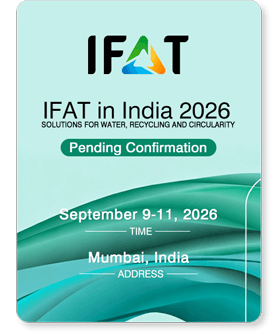
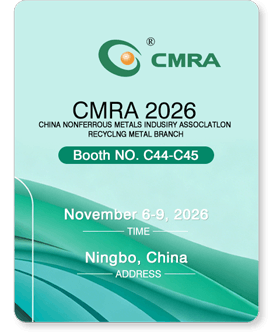

Add: No. 401-406, Fifth Street, Jingbei Third Road, Economic and Technological Development Zone, Zhengzhou, Henan, China (Mainland)