Aluminum Composite Panels (ACP) define today’s urban cityscapes. From airport facades and shopping mall curtain walls to commercial signage and interior design systems, this aluminum-plastic hybrid has become the global benchmark for the construction and advertising industries. In North America, it is commonly referred to as Aluminum Composite Material (ACM), while architects and contractors often simply call it cladding or facade panels. Regardless of the nomenclature, its architecture remains constant: two layers of 0.2–0.5 mm aluminum sheets sandwiching a core of polyethylene (PE) or fire-retardant (FR) material. This lightweight, flat, and easily fabricated structure fueled ACP’s rapid global adoption over the past two decades. However, it has also created a looming challenge—the world’s first major wave of ACP-clad buildings is reaching the end of its service life, triggering a massive influx of waste.
The surge in ACP waste is not an anomaly, but a predictable byproduct of urban development cycles. Over half of the world’s ACP applications are found in architectural facade systems, which typically undergo renovation or replacement every 15 to 25 years. Meanwhile, the advertising industry operates on a much tighter loop—often 3 to 5 years—providing a steady and continuous stream of discarded material. Furthermore, while factory offcuts from ACP manufacturing and fabrication plants represent a smaller volume, their material consistency and high recovery value make them a premium feedstock for recyclers. The true catalyst behind the current waste spike, however, is a global reassessment of building safety. Many nations are now strictly limiting the use of combustible PE cores and mandating the replacement of older facades. This regulatory shift has accelerated the removal of existing panels, effectively transitioning ACP from a “decorative building material” into a significant industrial recycling resource.
Aluminum Composite Panels (ACP) Recycling Systems
On a global scale, the distribution of ACP waste is far from uniform; instead, it is highly concentrated in a handful of key nations. These regions share three defining characteristics: massive construction volume, rapid urban renewal, and a long history of utilizing curtain wall systems. The following table outlines the current landscape of ACP waste distribution across the most significant global markets:
| Country / Region | Market Role | Key Characteristics | Trend |
|---|---|---|---|
| China | Largest source | Massive and diverse supply | Steady growth |
| India | Fastest growing | High installation volume | Rapid expansion |
| United States | High-value market | Clean, high-quality scrap | Stable increase |
| Germany | Regulatory driver | Compliance-driven replacement | Continuous release |
| France / UK | Mature markets | Aging façade systems | Stable supply |
| Japan | Structured market | Strict sorting standards | Consistent output |
| Saudi Arabia | Mega-project hub | Large project-based waste | Strong expansion |
| SE Asia (Indonesia, Vietnam, Thailand) | Emerging region | Rapid urban expansion | Fast-rising supply |
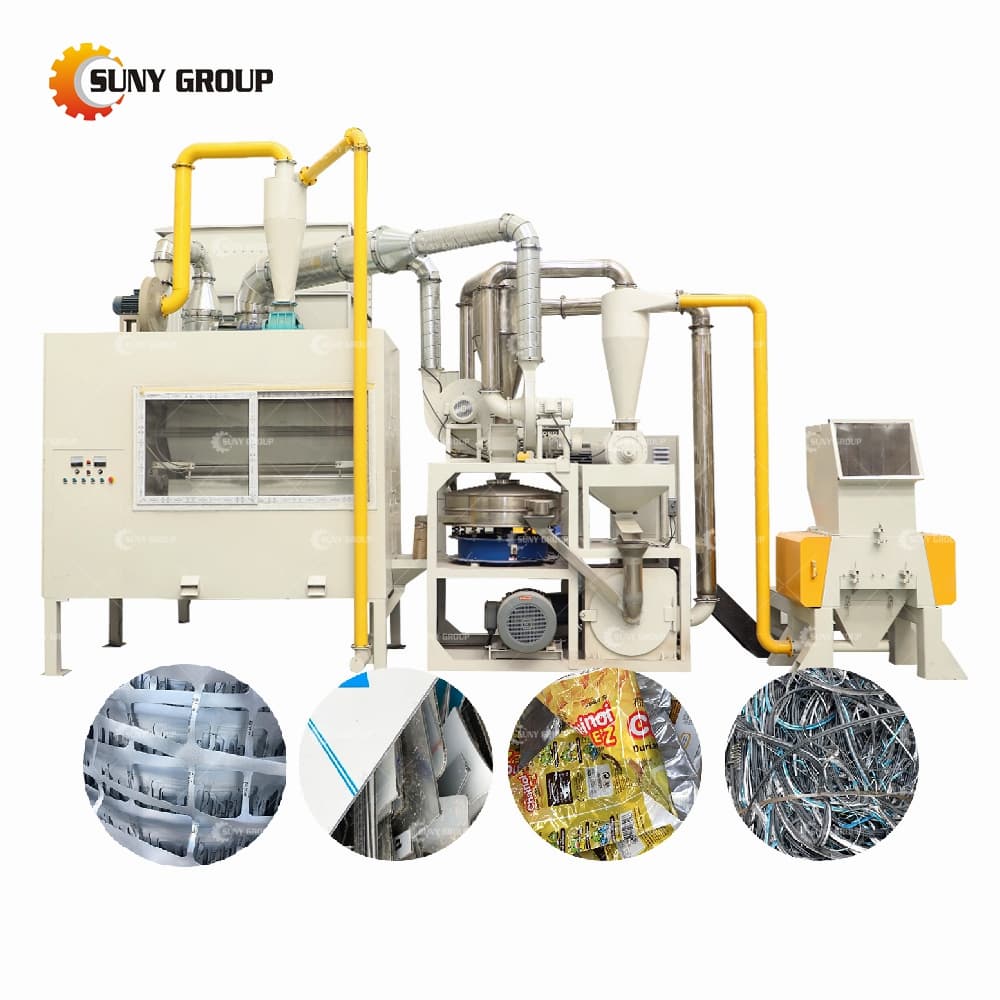
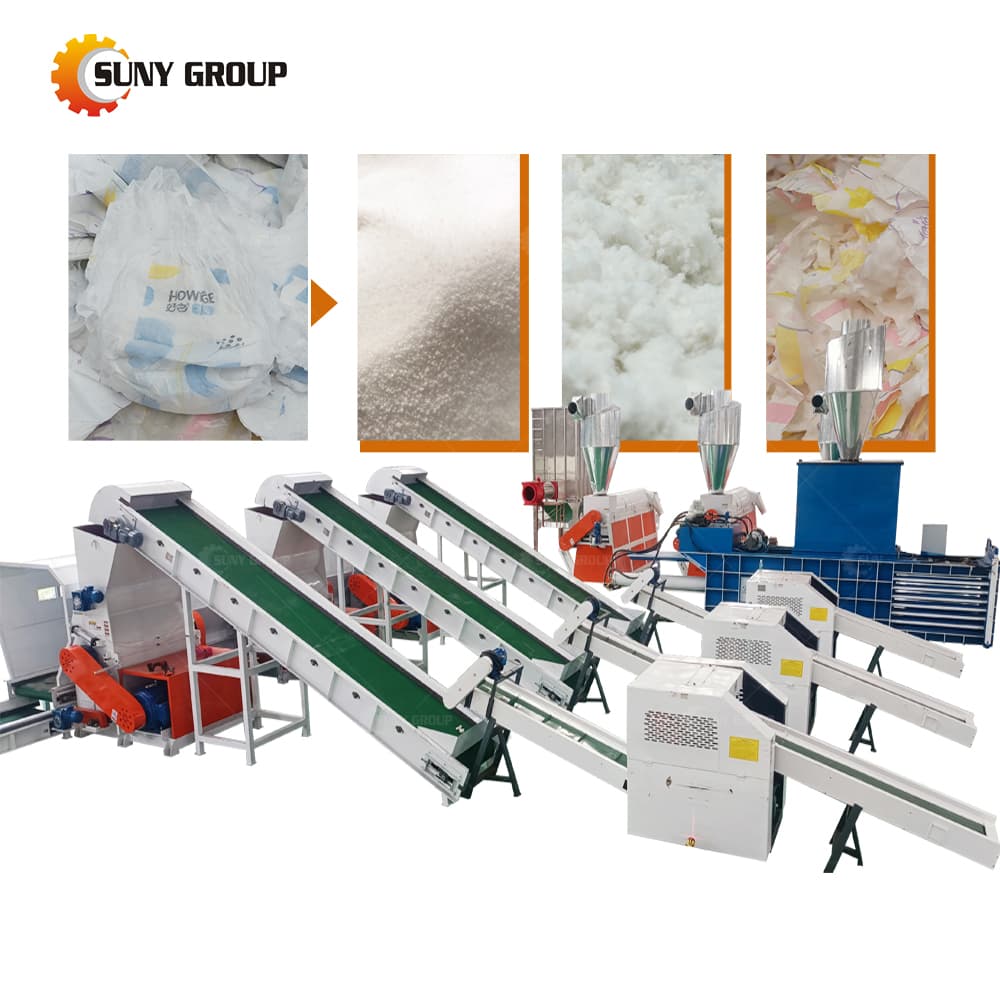
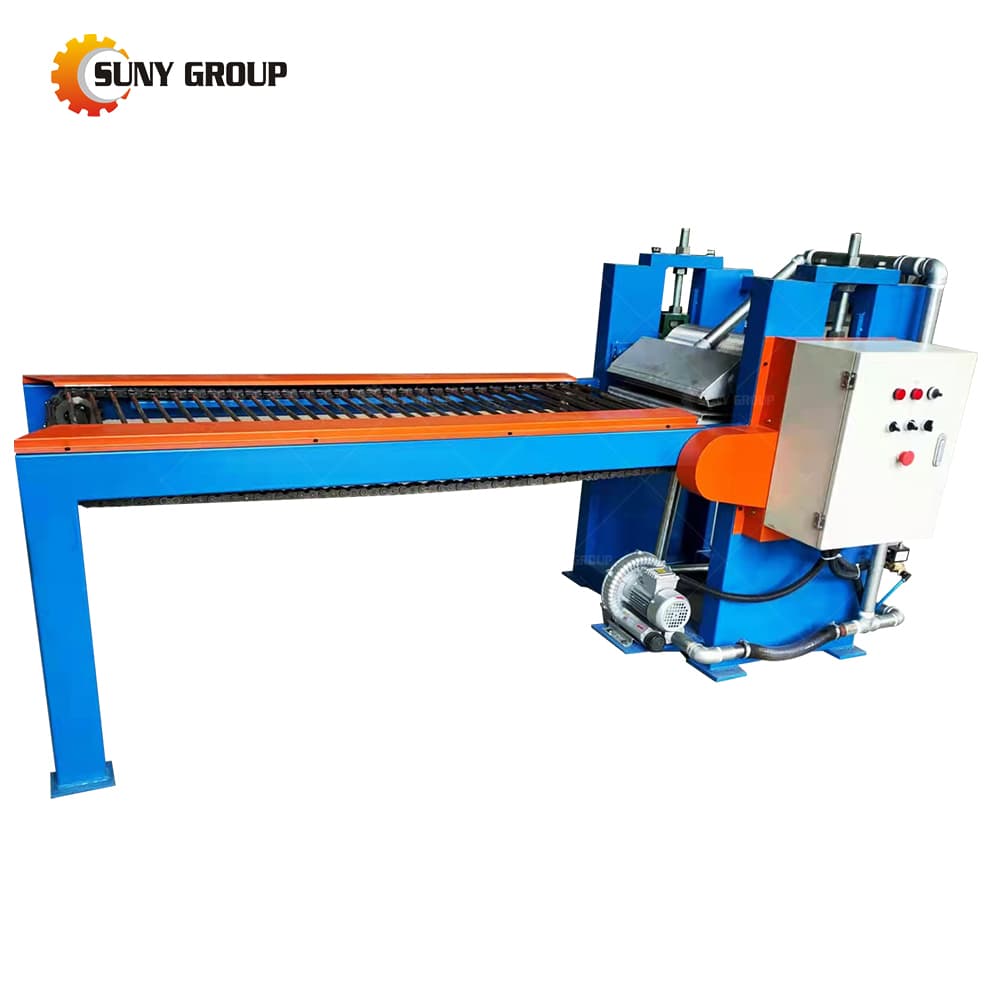
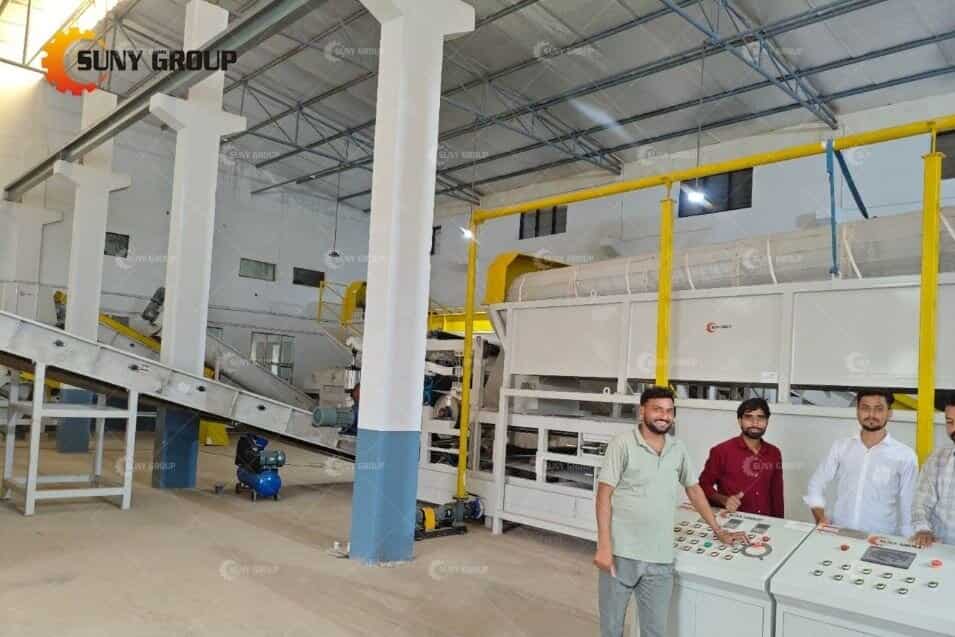
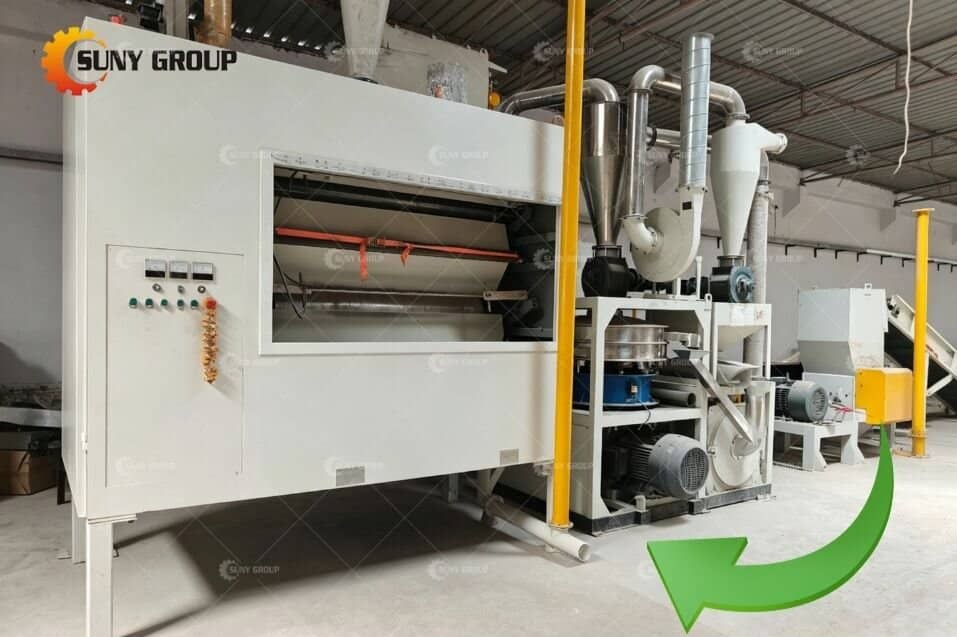
As waste rises, ACP recycling now commonly uses mechanical separation. Typically, panels are shredded, ground into granules, then separated by air and electrostatics to isolate aluminum from plastic. The main technical challenge remains efficiently separating FR materials, where mineral fillers complicate sorting. Dust control systems are also crucial for long-term operational stability.
From an industry perspective, the growth of ACP recycling is more than just a technical trend; it is a market inevitability. The consistently stable recovery value of aluminum ensures a clear economic return on ACP waste, while tightening plastic recycling policies further incentivize the resource recovery of composite materials. Over the next decade, the nations that define the ACP recycling landscape will likely remain concentrated in key markets: China, India, the United States, Germany, Saudi Arabia, and Indonesia. For equipment manufacturers, recyclers, and material traders, understanding ACP means more than just knowing a material—it means recognizing a rapidly expanding global industrial opportunity. In the field of composite recycling, ACP has moved from the periphery to become a central growth engine for the next phase of industrial recovery.
👉 Contact Tel: +86 199 0388 6476
👉 Contact Email: sunyrecycle.zack@gmail.com
Welcome to visit SUNY GROUP website. If you want to learn more about our equipments, Contact us Now.
WhatsApp : 86-19903886476
Email : sunyrecycle.zack@gmail.com
Zhengzhou, Henan, China (Mainland)
We specializes in recycling machinery and solid waste treatment solutions, offering aluminum-plastic separation, paper-plastic recycling, diaper recycling, ACP panel stripping and more. We provide customized turnkey systems with raw material testing, installation, training, and strict quality control to ensure stable performance and high recovery rates for long-term customer value.


Provide customized solutions to meet customers' needs for different voltages, capacities, sizes, and appearances
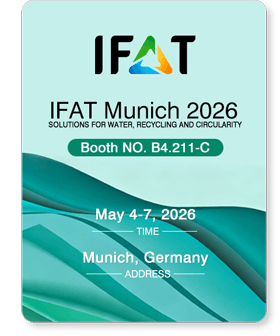
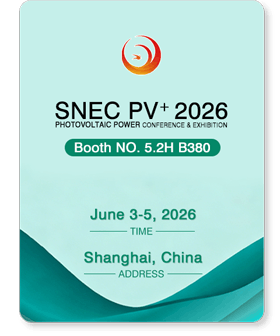
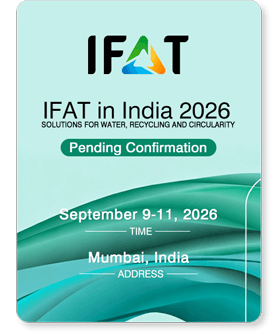
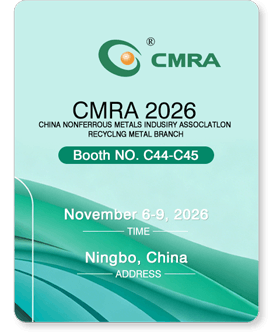
In 2026, we will participate in the following exhibitions and welcome customers to visit us!

Add: No. 401-406, Fifth Street, Jingbei Third Road, Economic and Technological Development Zone, Zhengzhou, Henan, China (Mainland)