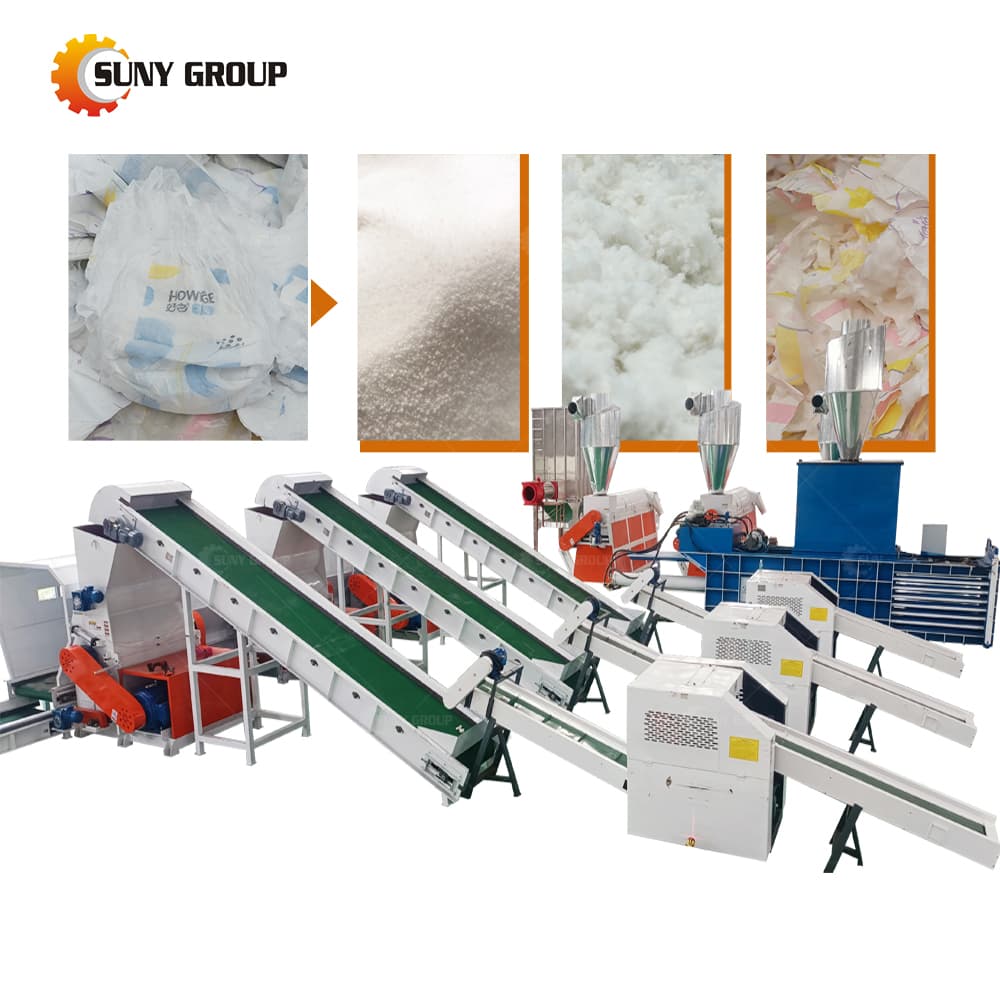
Paragraph 1: Can SAP and Fluff Pulp Really Be Separated? Yes. With specialized industrial recycling equipment, Super Absorbent Polymer (SAP) and fluff pulp can be effectively separated from expired or unused baby diapers. The key lies in multi-stage mechanical shredding, fiber loosening, and precision screening. These systems release SAP particles embedded in the pulp fibers. By leveraging differences in particle size and density, modern technology enables stable, high-purity separation on an industrial scale.
Paragraph 2: Why Is SAP Separation So Important? SAP is the most valuable component inside a diaper, with a market price significantly higher than fluff pulp. For recycling facilities, profitability depends on achieving high SAP purity and recovery rates. Higher purity means a higher selling price and a better return on investment. Therefore, advanced directional screening and air separation systems are critical to maximizing the economic value of the recycling line.
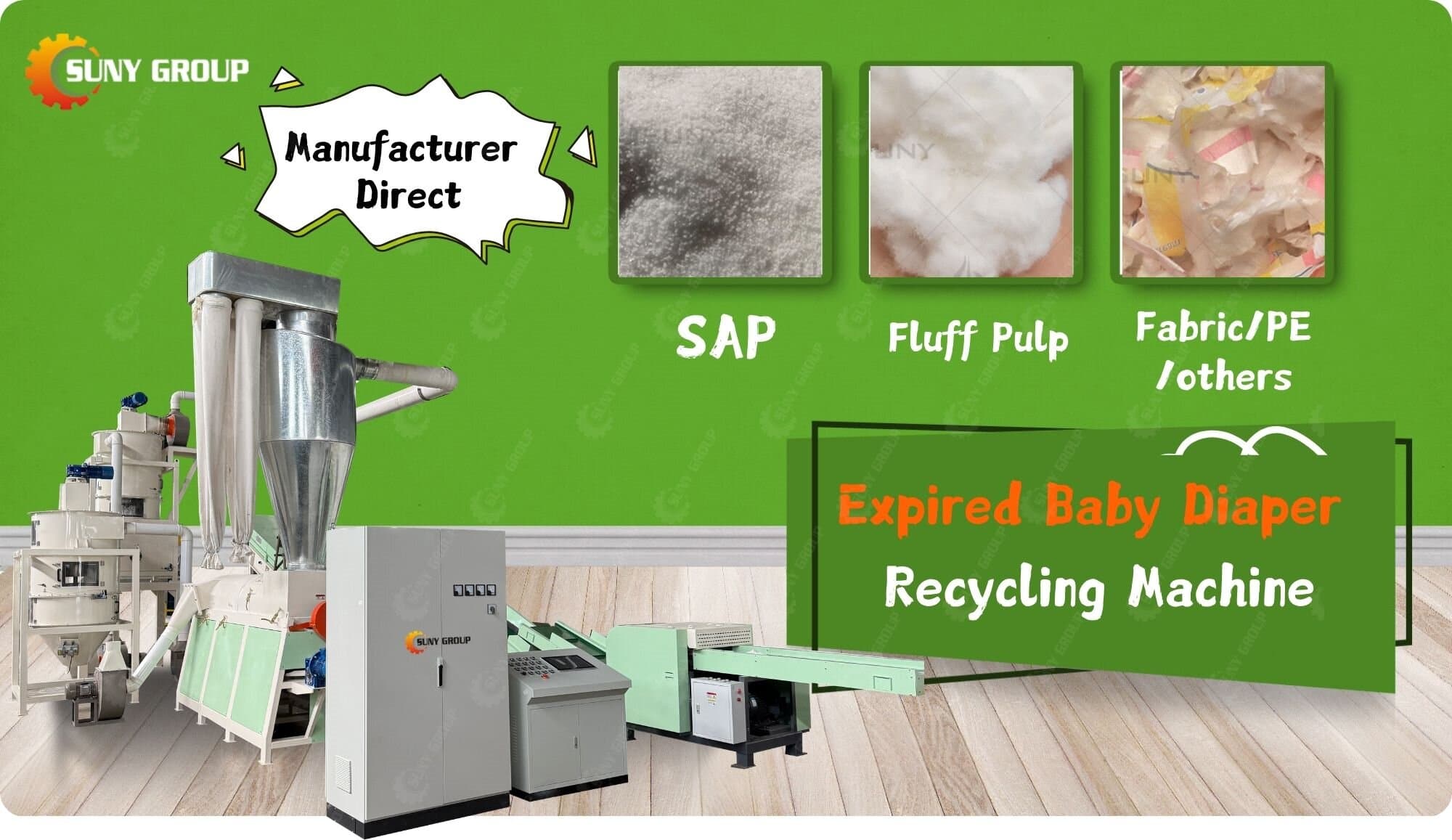
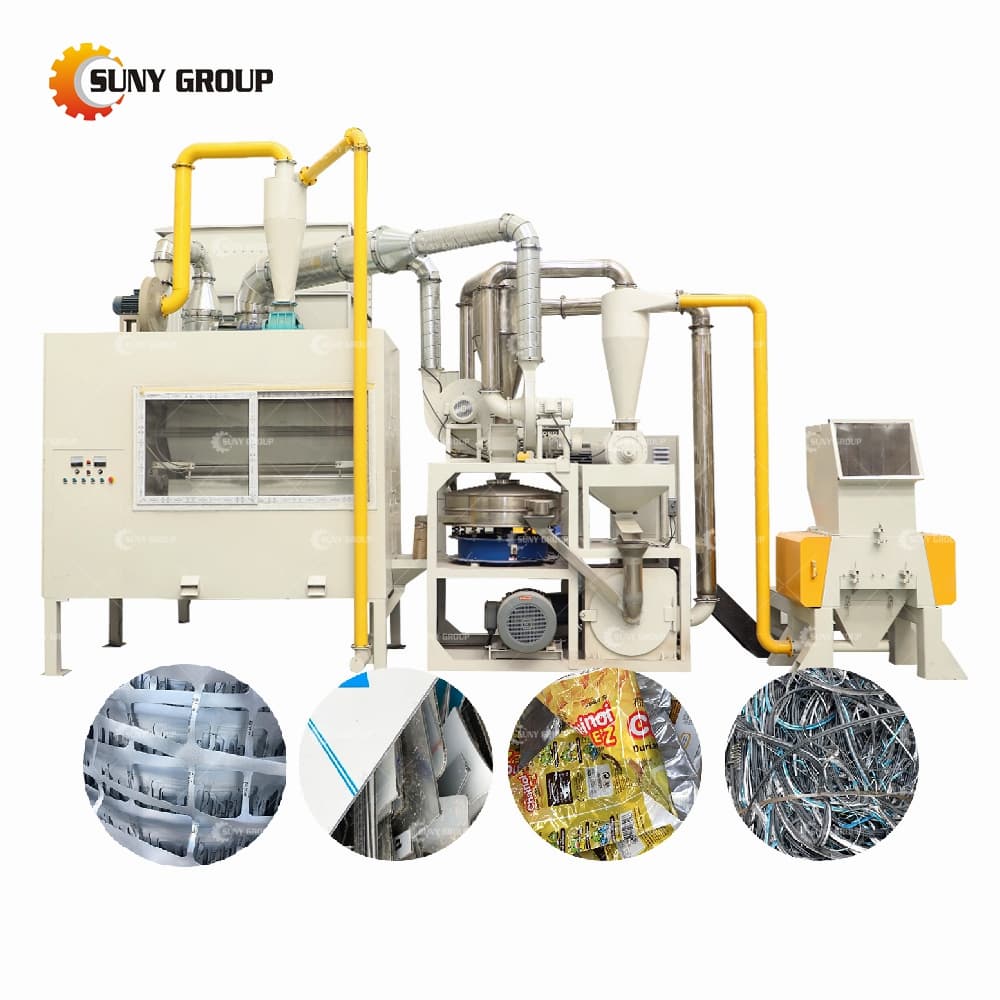
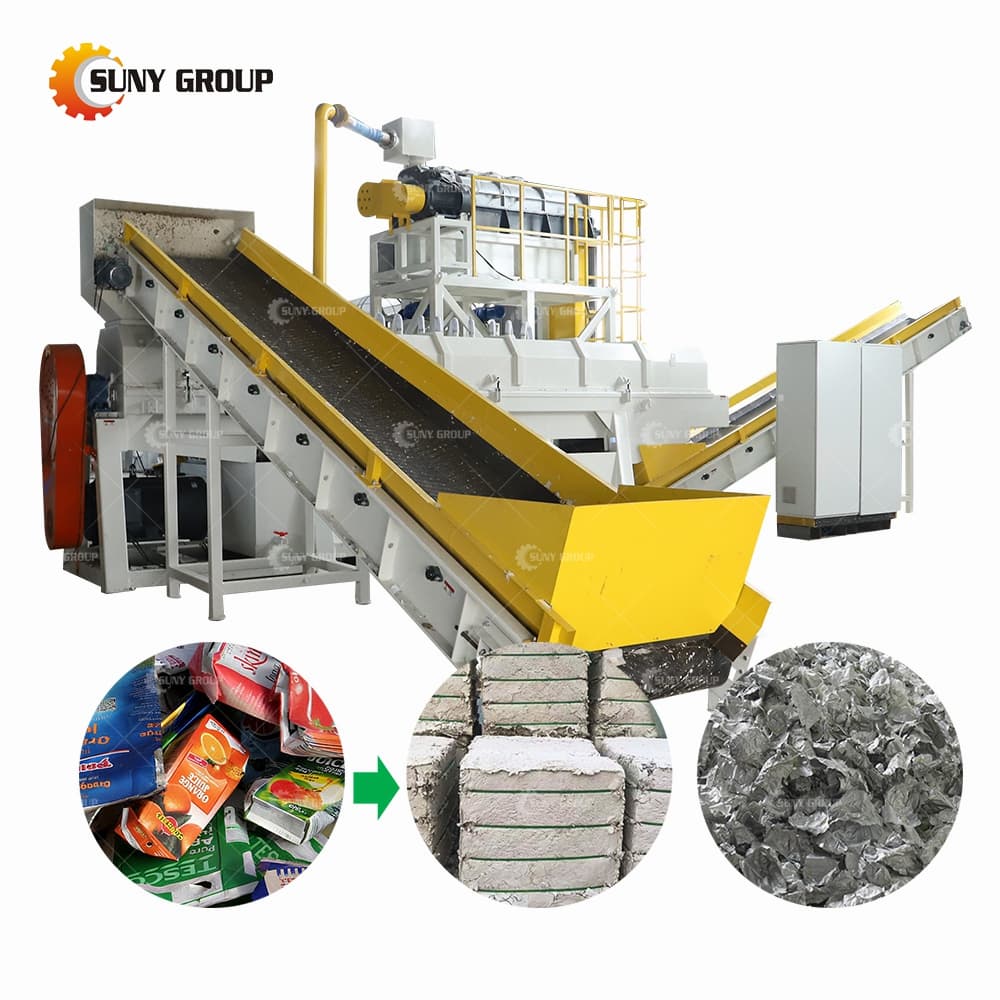
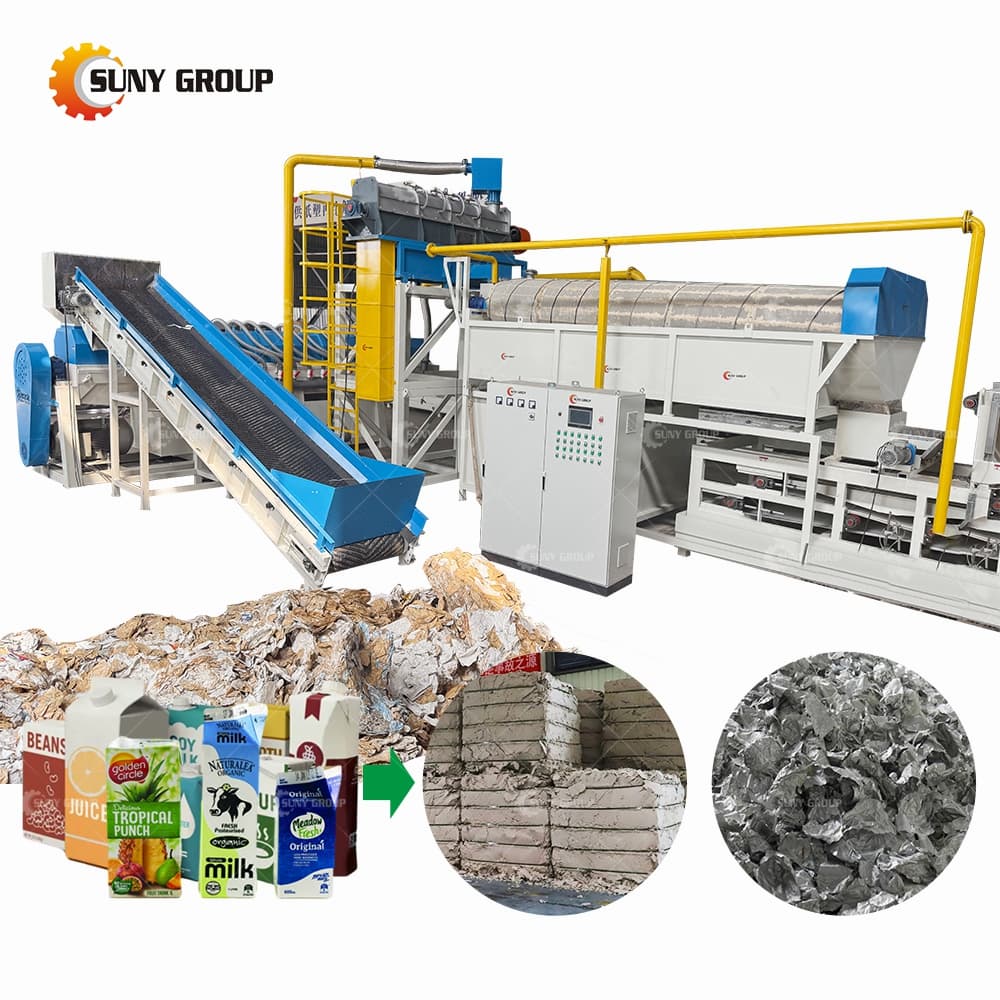
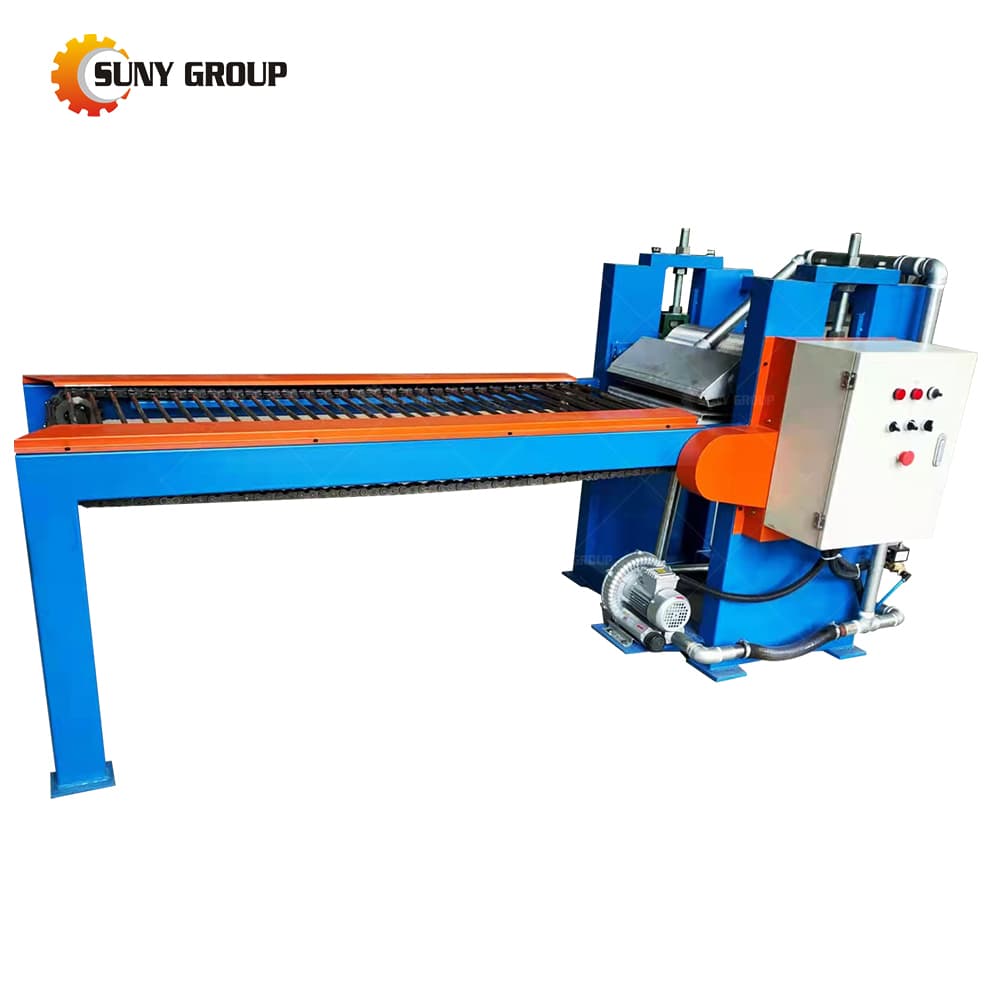
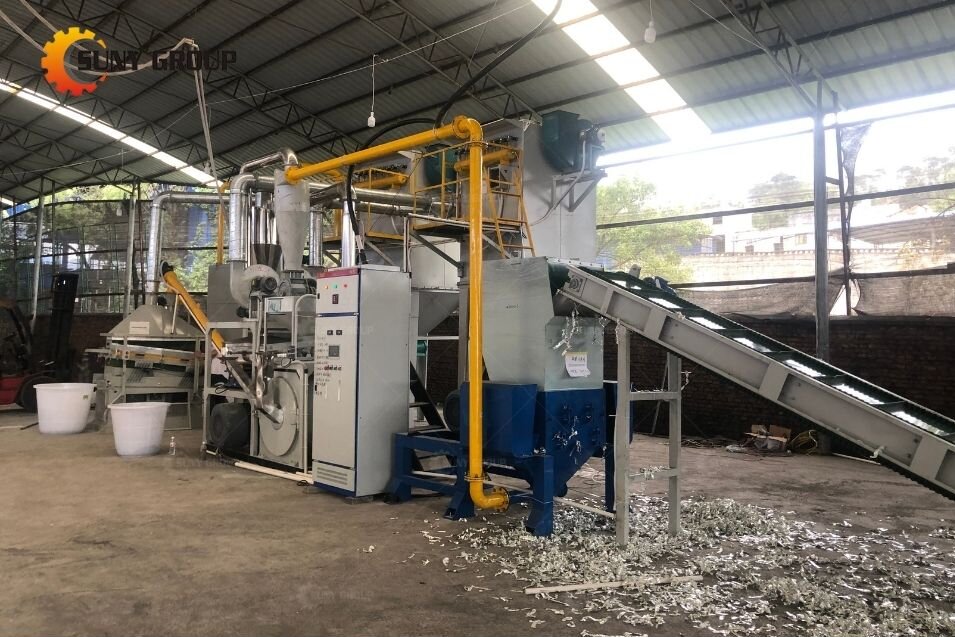
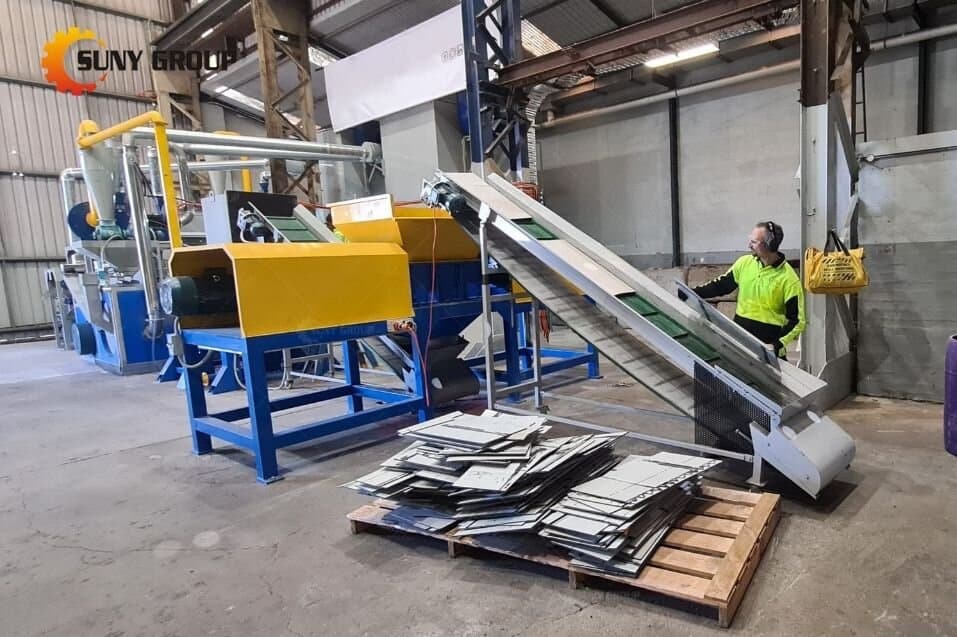
Paragraph 3: How Does the Recycling Process Work? A complete diaper recycling system typically includes a shredder, fiber loosening unit, multi-level screening equipment, and air separation devices. First, diapers are shredded and mechanically loosened to detach SAP particles from pulp fibers. Then, multi-layer screening separates materials based on size. Finally, airflow separation lifts the lighter fluff pulp while the heavier SAP particles fall into a separate outlet, ensuring high-purity material output.
Paragraph 4: What Are the Recycled Materials Used For? Recovered SAP is commonly used in pet pads, agricultural water-retention agents, and industrial absorbent materials. Recycled fluff pulp can be reused in household paper products, sound insulation materials, or as a modifier for plastics. The outer PE/PP plastic layers can be processed into recycled plastic pellets or used for energy recovery. Importantly, recycled materials are prohibited from being used in the manufacture of new baby diapers.
Paragraph 5: Where Does the Profit Come From? Revenue is generated primarily through the sale of separated raw materials and the savings from avoided landfill and disposal costs. Compared to traditional landfill or incineration, automated recycling significantly reduces environmental impact and carbon emissions. As sustainability regulations strengthen globally, demand for recycled SAP and secondary materials continues to grow, making diaper recycling both an environmentally responsible and commercially attractive investment opportunity.
👉 Contact Tel: +86 199 0388 6476
👉 Contact Email: sunyrecycle.zack@gmail.com
Welcome to visit SUNY GROUP website. If you want to learn more about our equipments, Contact us Now.
WhatsApp : 86-19903886476
Email : sunyrecycle.zack@gmail.com
Zhengzhou, Henan, China (Mainland)
We specializes in recycling machinery and solid waste treatment solutions, offering aluminum-plastic separation, paper-plastic recycling, diaper recycling, ACP panel stripping and more. We provide customized turnkey systems with raw material testing, installation, training, and strict quality control to ensure stable performance and high recovery rates for long-term customer value.


Provide customized solutions to meet customers' needs for different voltages, capacities, sizes, and appearances
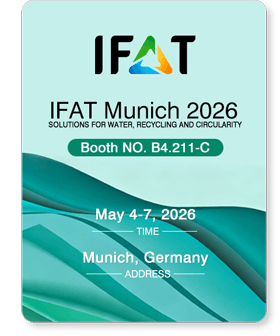
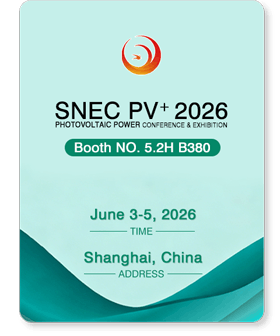
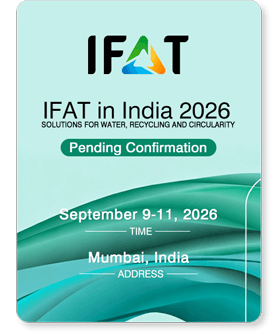
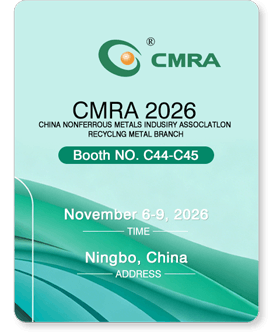
In 2026, we will participate in the following exhibitions and welcome customers to visit us!

Add: No. 401-406, Fifth Street, Jingbei Third Road, Economic and Technological Development Zone, Zhengzhou, Henan, China (Mainland)