Medical blister packaging recycling offers high material value and low recycling penetration. Widely used in the pharmaceutical industry, blister packs typically contain thermoformed plastic (PVC or PET) sealed with aluminum foil. While effective for medication protection, this composite structure complicates recycling.
From a materials standpoint, blister packs contain two recyclable components with very different properties. Aluminum remains one of the most valuable secondary metals, supported by a tight global supply and sustained industrial demand. As of early 2026, aluminum prices on major exchanges such as the London Metal Exchange are trading above USD 3,100 per metric ton. The plastic fraction, although lower in value, can still be recycled when cleanly separated. Despite this inherent value, most municipal recycling systems do not accept blister packaging due to its composite structure, small format, and pharmaceutical origin, leaving it largely under-recycled.
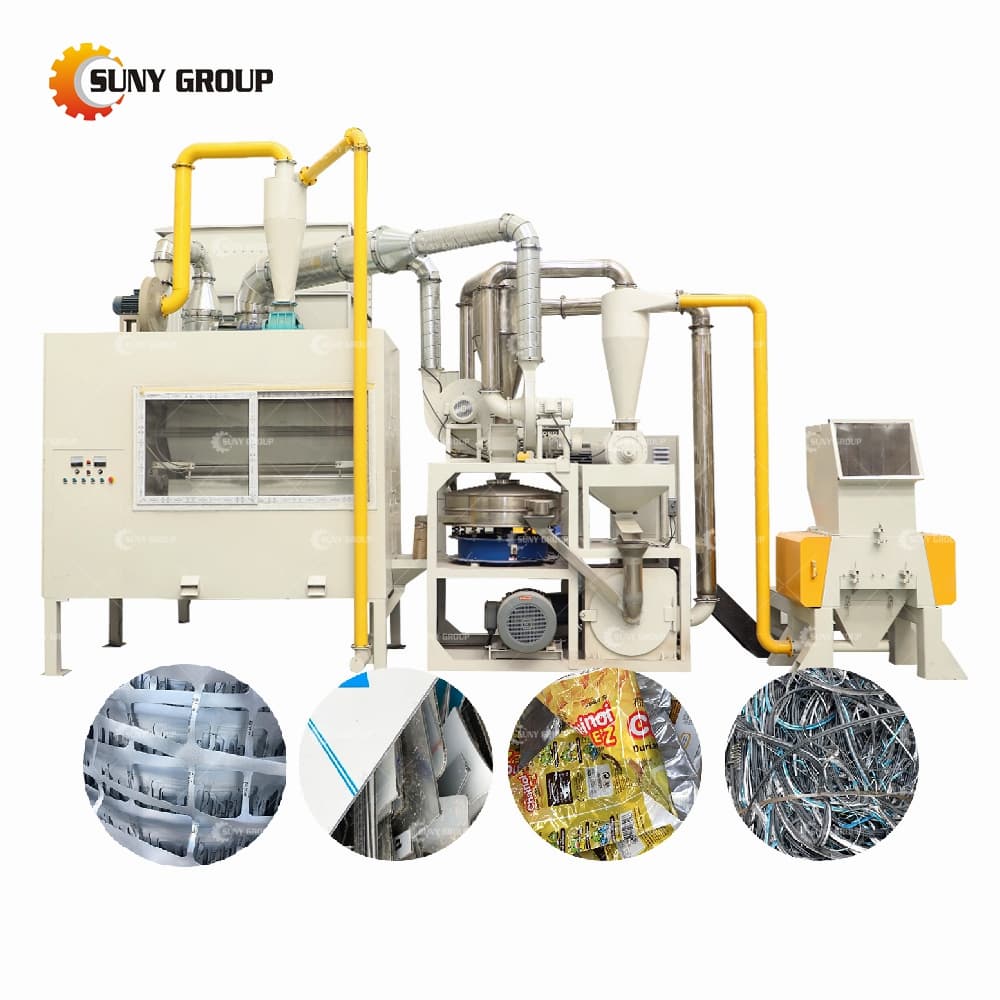
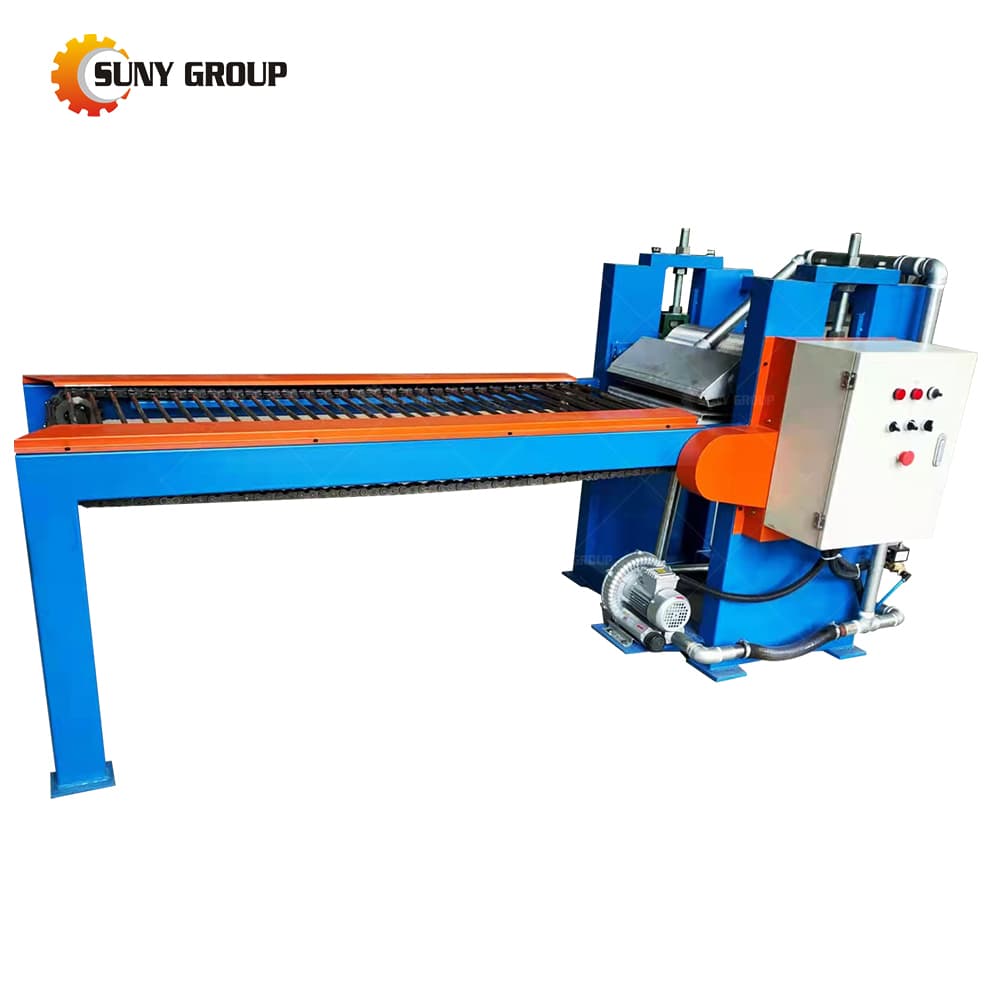
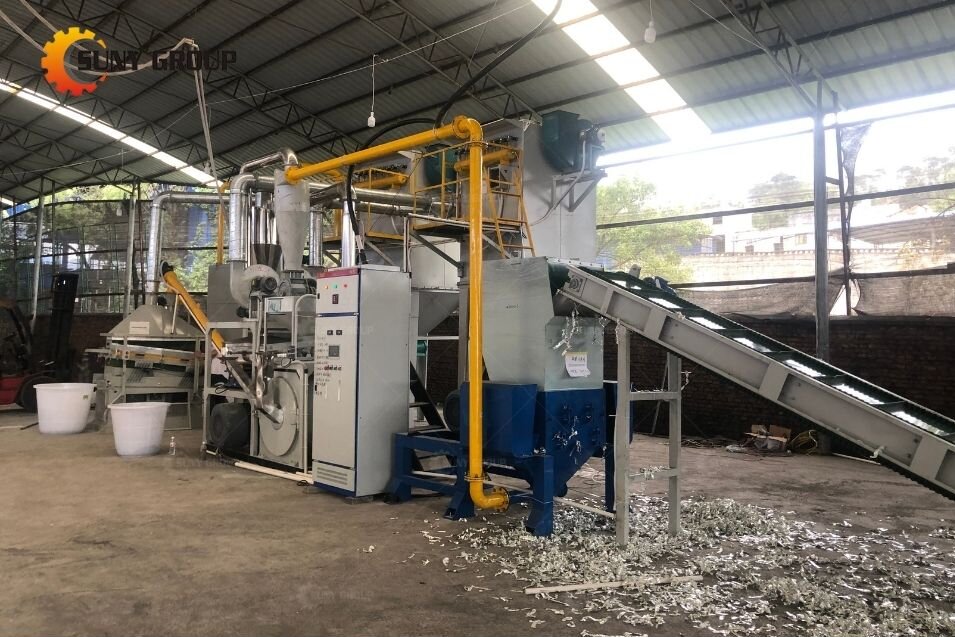
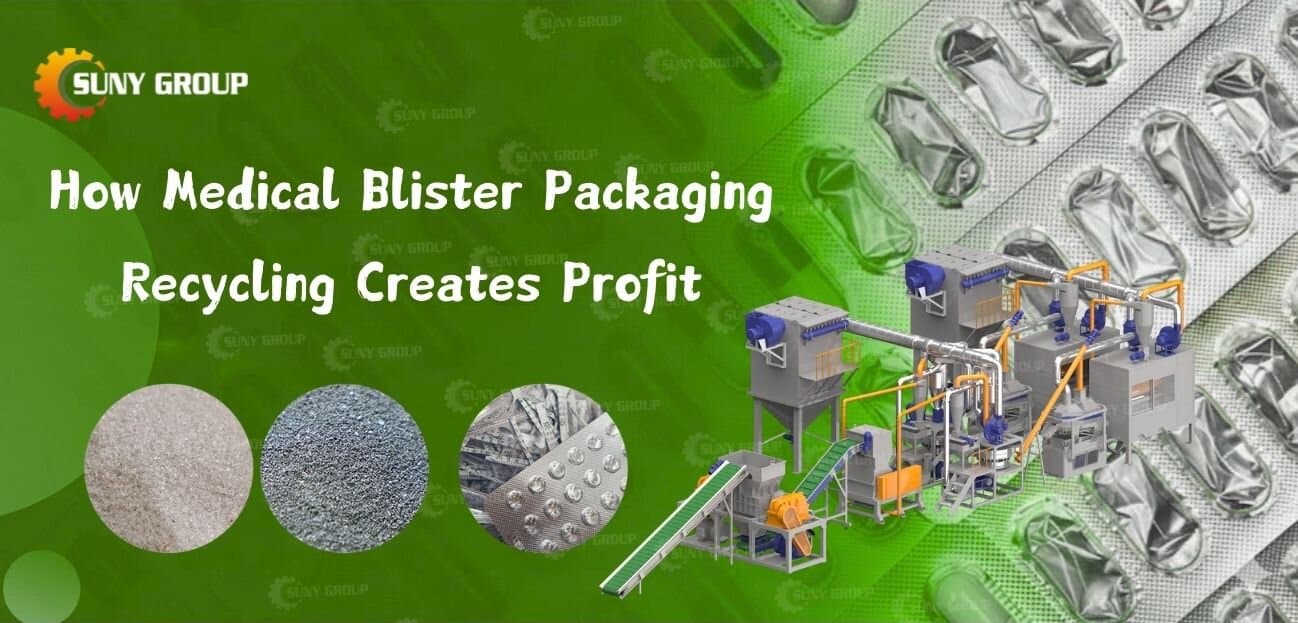 Medical Blister Packaging Recycling System
The core technical challenge is separating aluminum from plastic without degrading either material. Traditional approaches, such as incineration or chemical dissolution, can recover aluminum but often compromise material quality and raise environmental and regulatory concerns. In contrast, modern blister recycling increasingly relies on dry mechanical separation, combining controlled size reduction with electrostatic or air-based separation. This approach avoids water, chemicals, and heat, preserving material integrity and commonly achieving separation efficiencies above 99%.
Operationally, blister recycling is typically carried out at a medium scale using dedicated lines. A representative system processing around 1000 kilograms per hour can handle approximately 8 metric tons per shift, yielding a meaningful quantity of recoverable aluminum alongside recyclable plastic. While economic outcomes vary by region and market conditions, the value of the aluminum fraction and the lack of competition for this feedstock underpin the attractiveness of this niche.
Medical blister packaging recycling illustrates a key industry trend: as traditional recyclables face tighter margins and increased competition, value shifts to complex, underserved waste streams. Success depends on understanding material separation and market dynamics, not just processing volume.
👉 Contact Tel: +86 199 0388 6476
👉 Contact Email: sunyrecycle.zack@gmail.com
Welcome to visit SUNY GROUP website. If you want to learn more about our equipments, Contact us Now.
WhatsApp : 86-19903886476
Email : sunyrecycle.zack@gmail.com
Zhengzhou, Henan, China (Mainland)
We specializes in recycling machinery and solid waste treatment solutions, offering aluminum-plastic separation, paper-plastic recycling, diaper recycling, ACP panel stripping and more. We provide customized turnkey systems with raw material testing, installation, training, and strict quality control to ensure stable performance and high recovery rates for long-term customer value.


Provide customized solutions to meet customers' needs for different voltages, capacities, sizes, and appearances
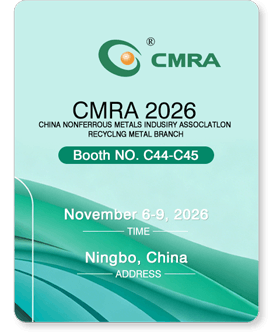
In 2026, we will participate in the following exhibitions and welcome customers to visit us!
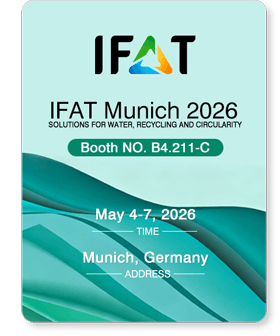
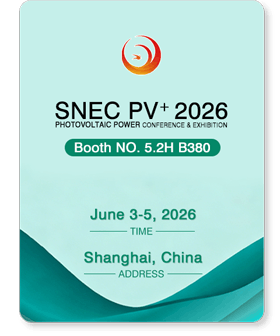
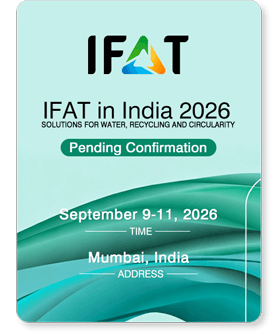

Add: No. 401-406, Fifth Street, Jingbei Third Road, Economic and Technological Development Zone, Zhengzhou, Henan, China (Mainland)