Tetra Pak cartons are the global standard for packaging liquid foods like milk and juice, prized for their ability to ensure food safety and long shelf life. This material, professionally known as Used Beverage Carton (UBC) or paper-based composite packaging, features a sophisticated multi-layer structure. A typical carton is composed of approximately 75% high-quality paperboard, 20% polyethylene plastic, and 5% aluminum foil. While this design provides superior protection, it necessitates specialized recycling technologies to effectively separate and recover each distinct component.
The recycling process begins with the systematic collection and sorting of post-consumer waste. The core of the operation involves a hydrapulper, where high-consistency water agitation mechanically shears the paper fibers away from the plastic and aluminum layers. This physical separation is the critical first step in diverting complex packaging from landfills and reintroducing it into the industrial supply chain as valuable secondary raw materials.
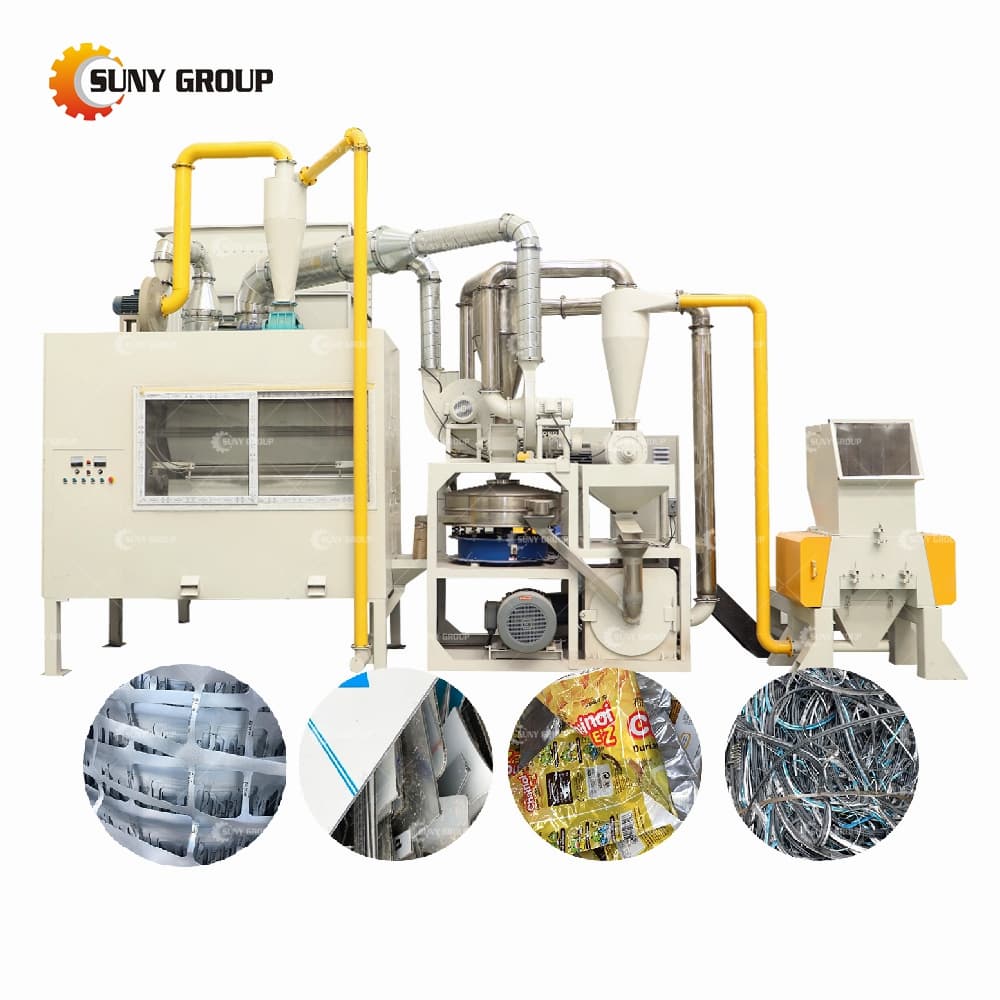
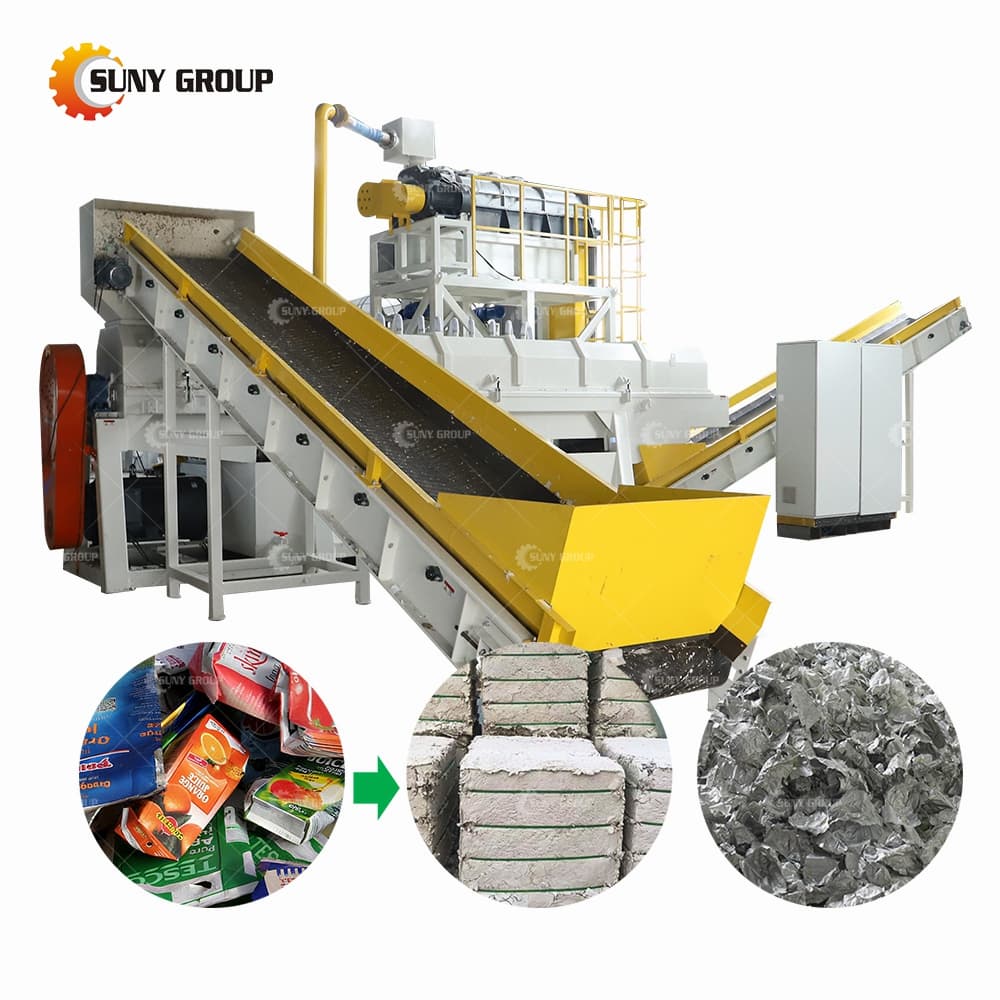
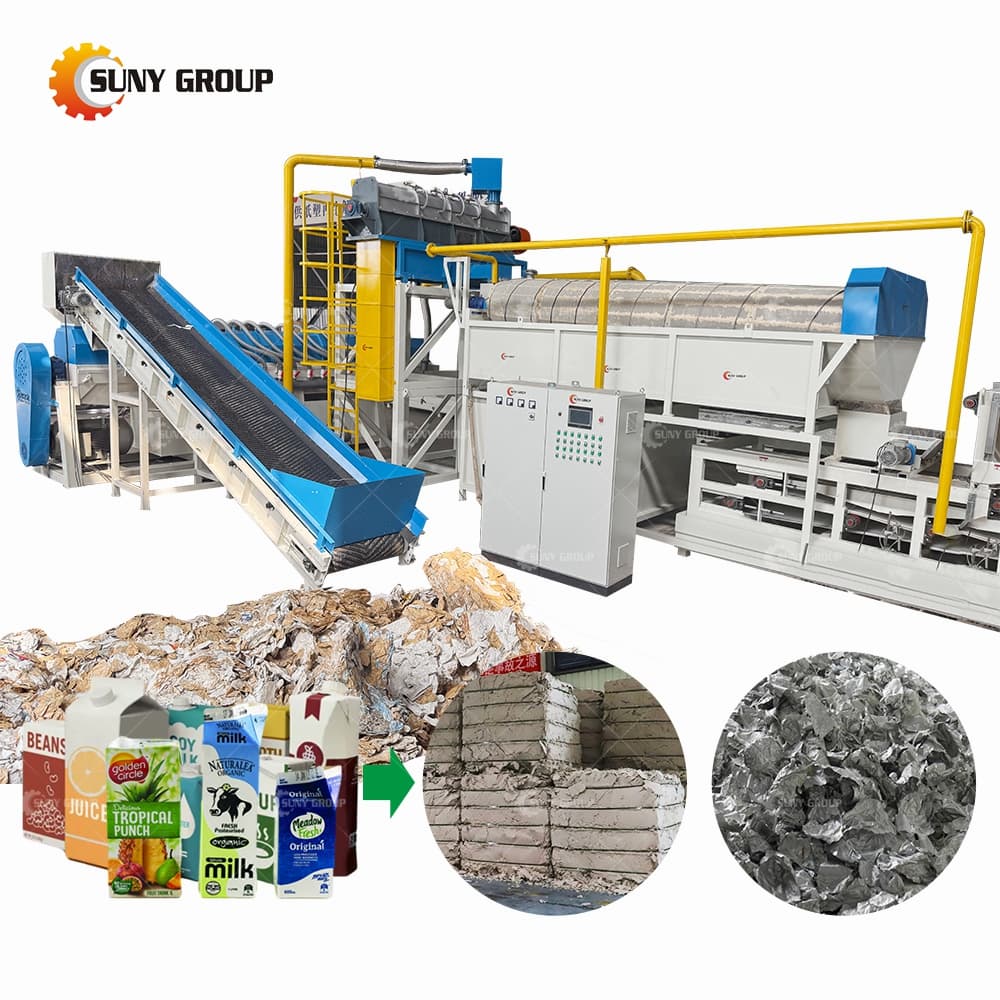
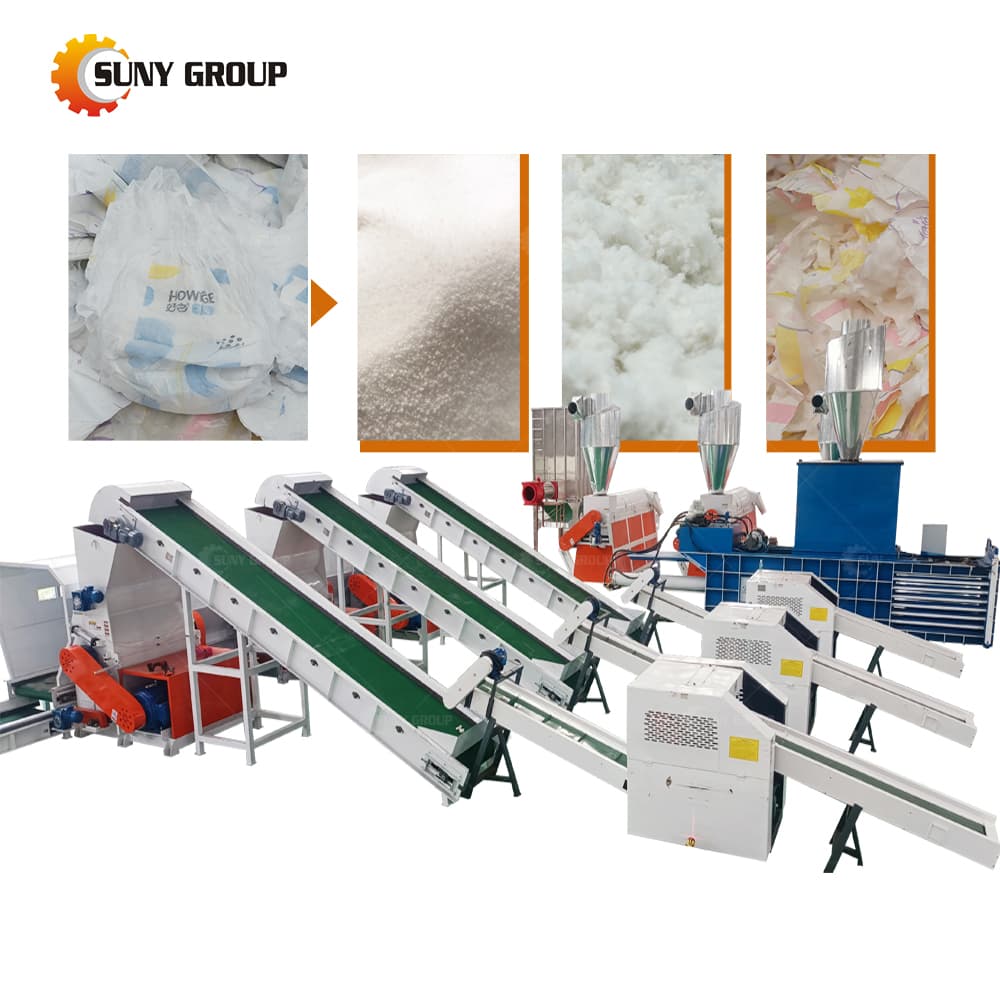
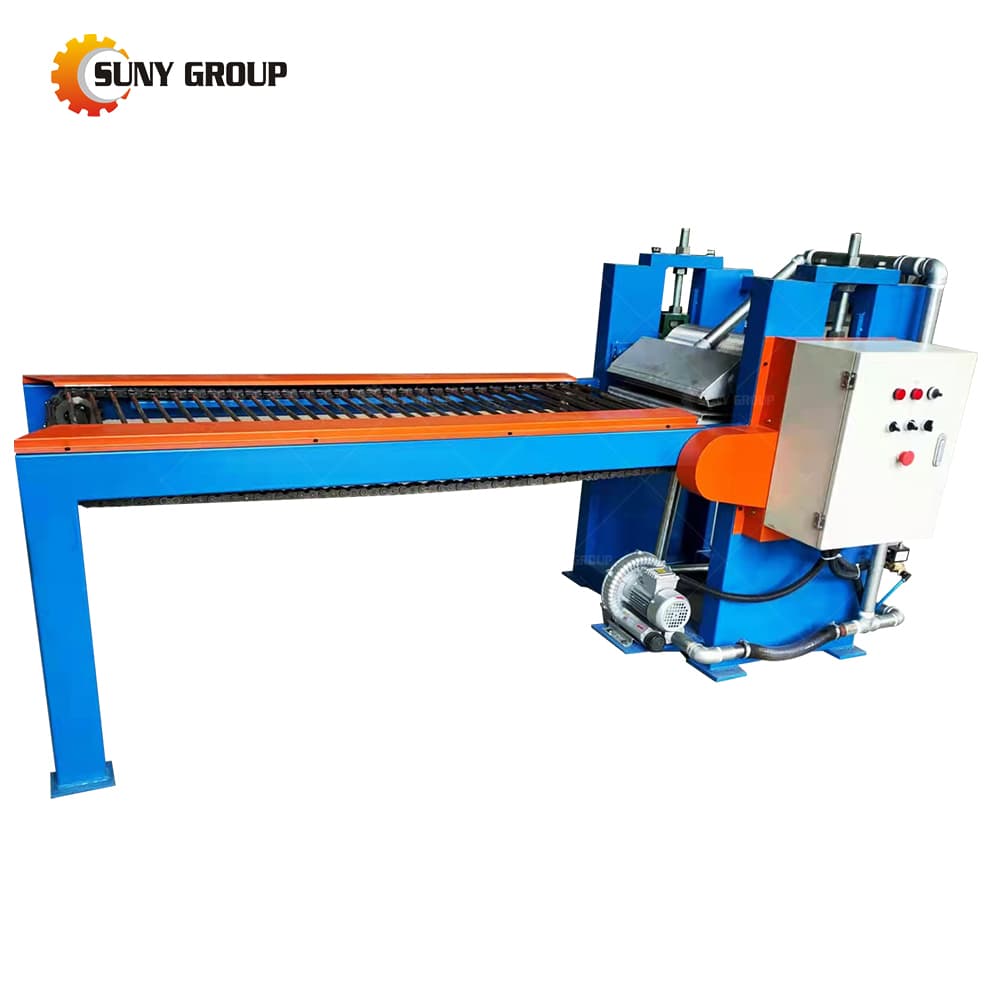
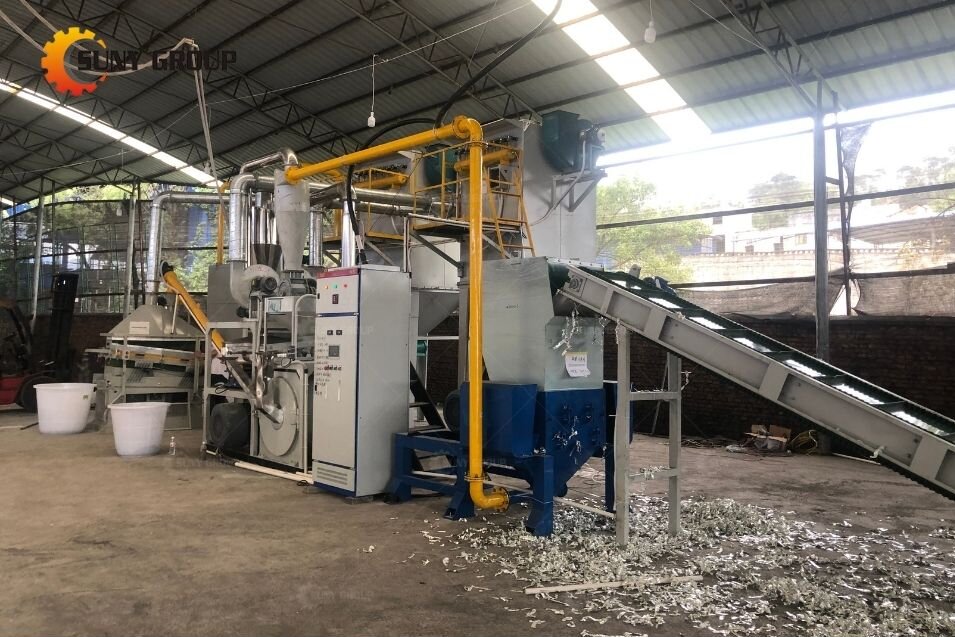
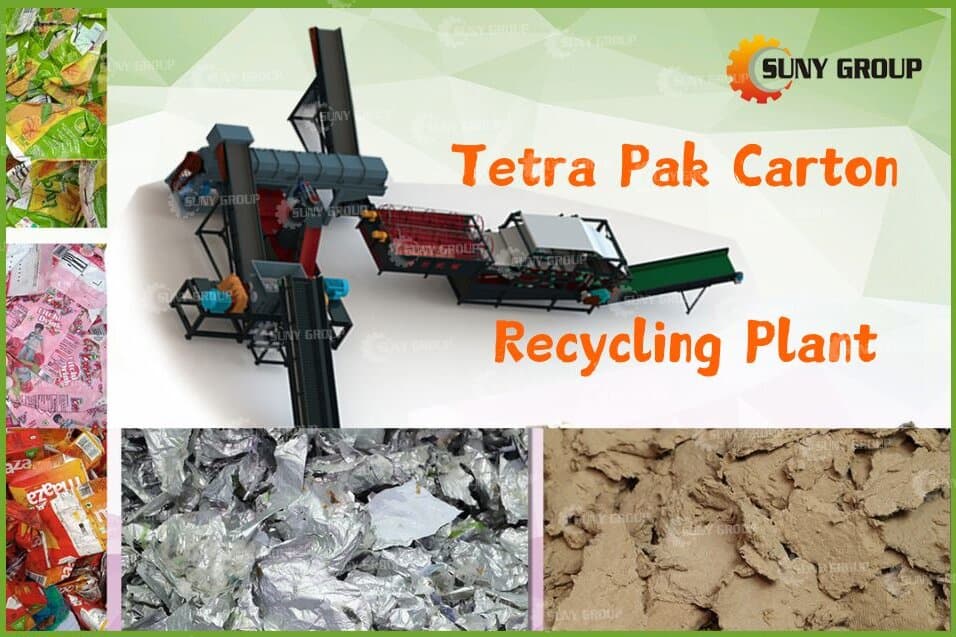 Tetra Pak Carton Packaging Recycling Machine
The primary output of this process is recovered paper fiber, representing about three-quarters of the carton’s weight. These long, premium-grade fibers are highly sought after in the paper industry for their strength and versatility. They are commonly upcycled into corrugated cardboard, industrial packaging, eco-friendly stationery, and tissue paper. By harvesting these fibers, recycling facilities significantly reduce the demand for virgin wood pulp, thereby preserving natural forests and lowering the carbon footprint of paper production.
The remaining 25–30% of the material is a specialized mixture of plastic and aluminum known as PolyAl. While historically considered a byproduct, PolyAl is now recognized for its immense reuse potential. In standard applications, it is compressed into high-durability construction boards, outdoor furniture, and shipping pallets that are naturally waterproof and rot-resistant. With more sophisticated separation techniques, the aluminum can be reclaimed for smelting, while the plastic is pelletized into recycled polyethylene (rPE) for use in automotive components and heavy-duty industrial plastics.
By deploying specialized recycling machinery and integrated processing systems, Tetra Pak cartons are successfully transformed from complex waste into a pillar of the circular economy. These technologies do more than just manage waste; they conserve critical resources and provide a scalable solution to global sustainability challenges. As environmental regulations tighten, investing in advanced carton recovery is becoming an essential strategy for both industrial resource efficiency and global environmental stewardship.
👉 Contact Tel: +86 199 0388 6476
👉 Contact Email: sunyrecycle.zack@gmail.com
Welcome to visit SUNY GROUP website. If you want to learn more about our equipments, Contact us Now.
WhatsApp : 86-19903886476
Email : sunyrecycle.zack@gmail.com
Zhengzhou, Henan, China (Mainland)
We specializes in recycling machinery and solid waste treatment solutions, offering aluminum-plastic separation, paper-plastic recycling, diaper recycling, ACP panel stripping and more. We provide customized turnkey systems with raw material testing, installation, training, and strict quality control to ensure stable performance and high recovery rates for long-term customer value.


Provide customized solutions to meet customers' needs for different voltages, capacities, sizes, and appearances
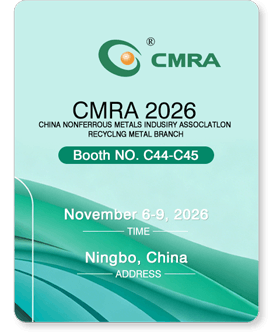
In 2026, we will participate in the following exhibitions and welcome customers to visit us!

Add: No. 401-406, Fifth Street, Jingbei Third Road, Economic and Technological Development Zone, Zhengzhou, Henan, China (Mainland)