Entering the diaper recycling business requires more than just equipment selection—it starts with defining your feedstock and aligning it with a viable processing route. Not all diaper waste is equal. Pre-consumer materials such as expired diapers, production rejects, hygiene product scrap, and edge trim from manufacturing lines represent the lowest-risk entry point. For most new investors, starting with factory diaper waste or expired hygiene products enables faster commissioning, lower technical barriers, and more predictable output quality—critical factors in early-stage profitability.
Once feedstock is defined, securing a stable and scalable raw material supply becomes the make-or-break factor. A diaper recycling plant without consistent input will fail regardless of technology. In many successful industrial recycling projects, production waste from diaper manufacturers is either low-cost or even comes with a disposal fee, creating an immediate economic advantage. Understanding local waste flows, negotiating long-term supply contracts, and evaluating whether suppliers pay tipping fees or charge for materials will directly impact your cost structure. In mature markets, disposal economics often outweigh material value, meaning your business model should treat waste intake as a potential revenue stream—not just a cost. This is particularly true in regions with rising landfill restrictions and increasing pressure on hygiene waste management.
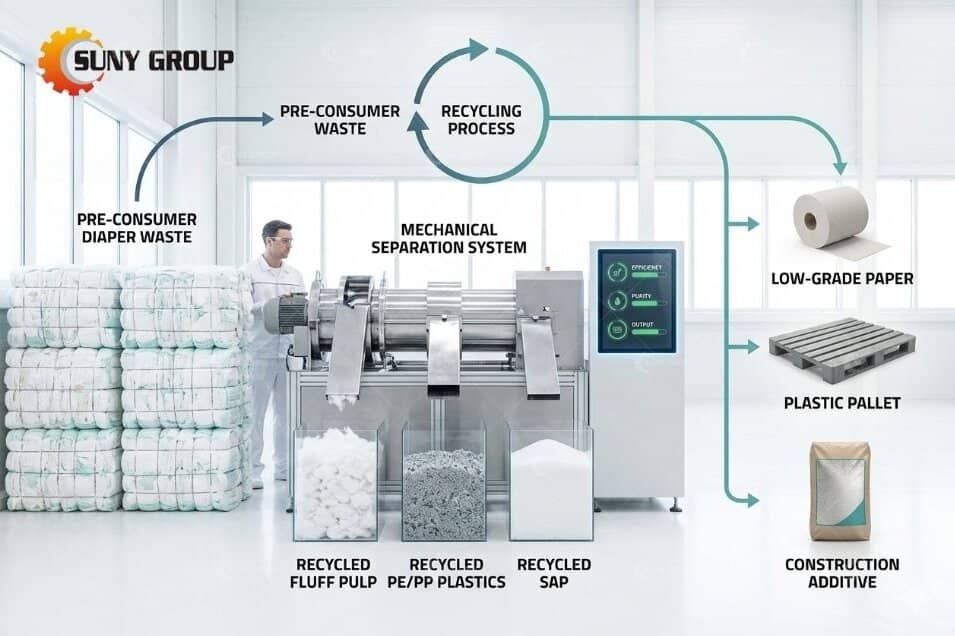
Industrial Diaper Recycling Equipment
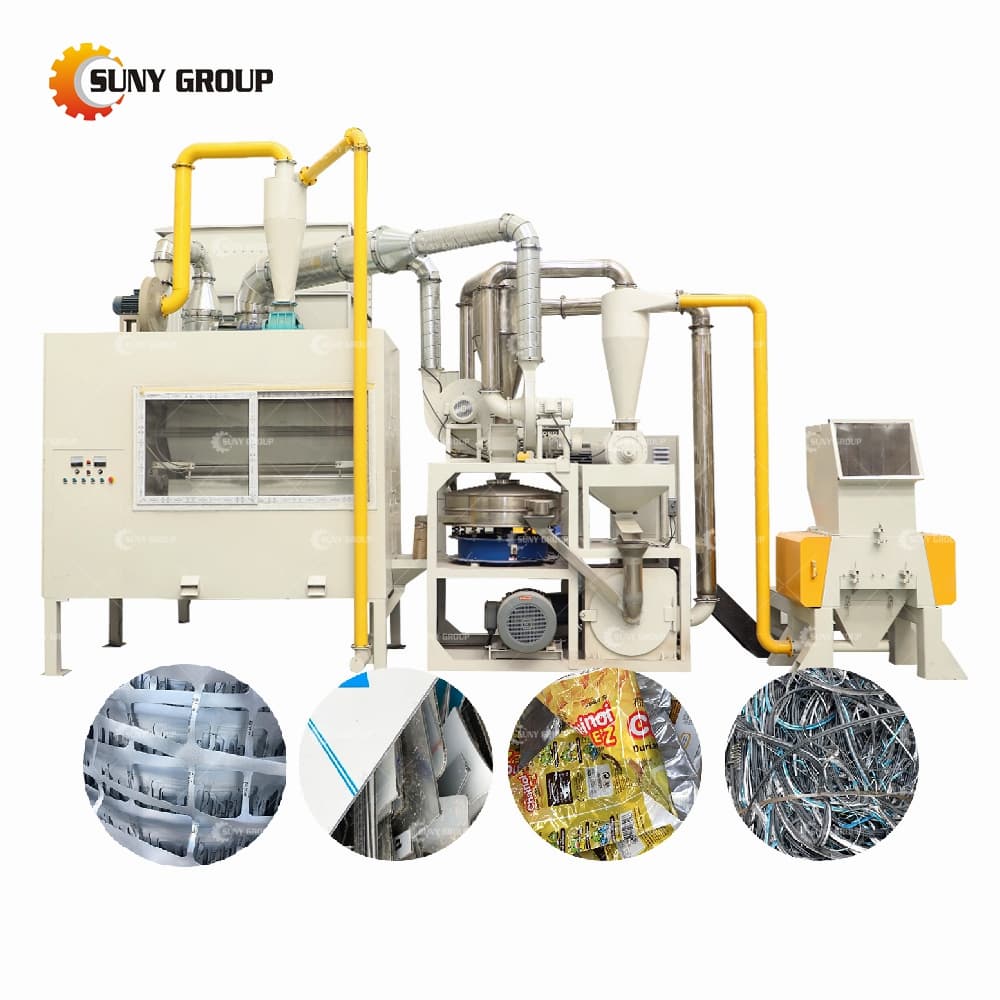
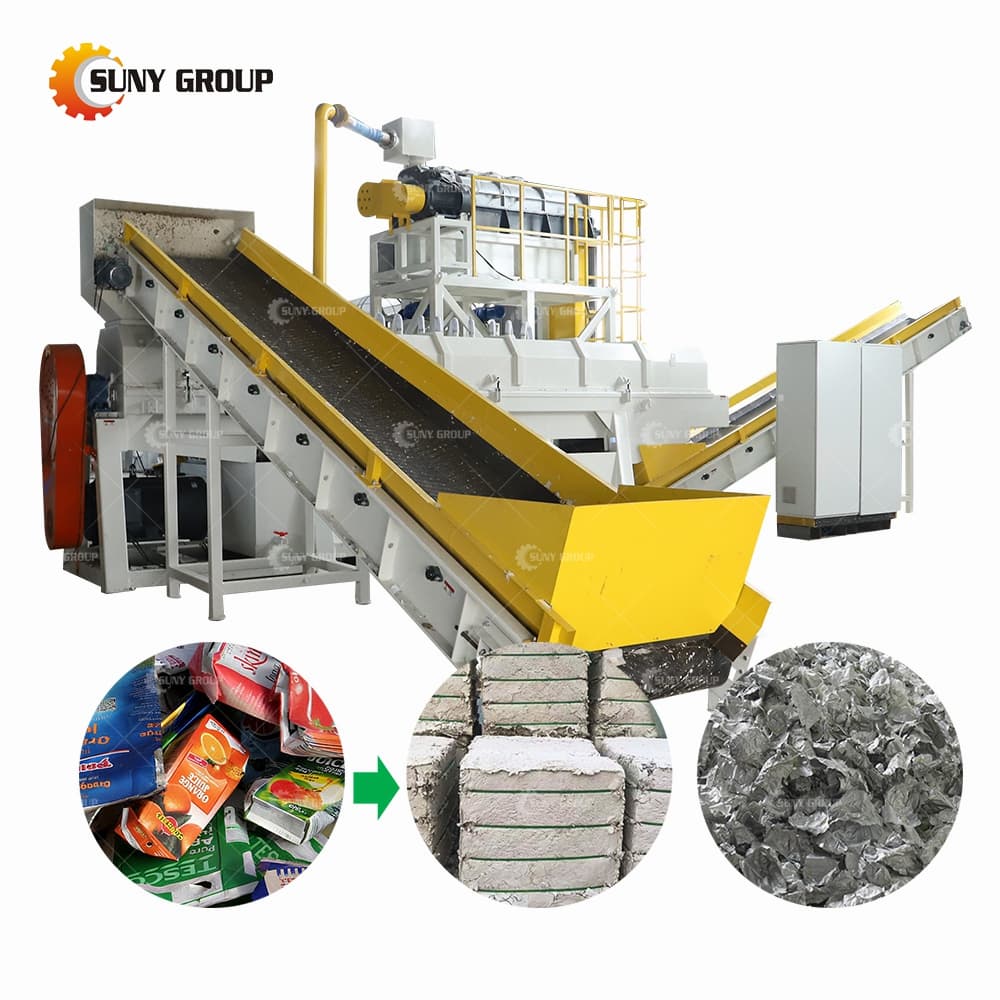
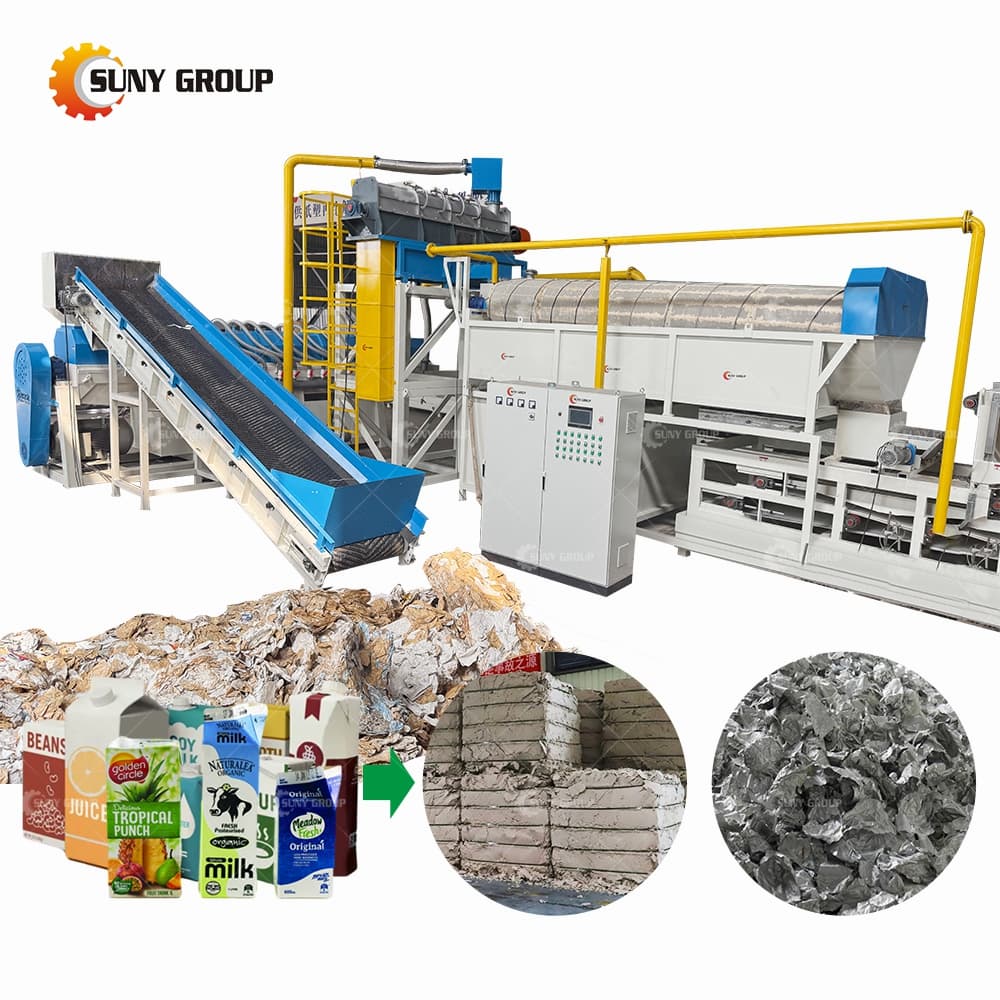
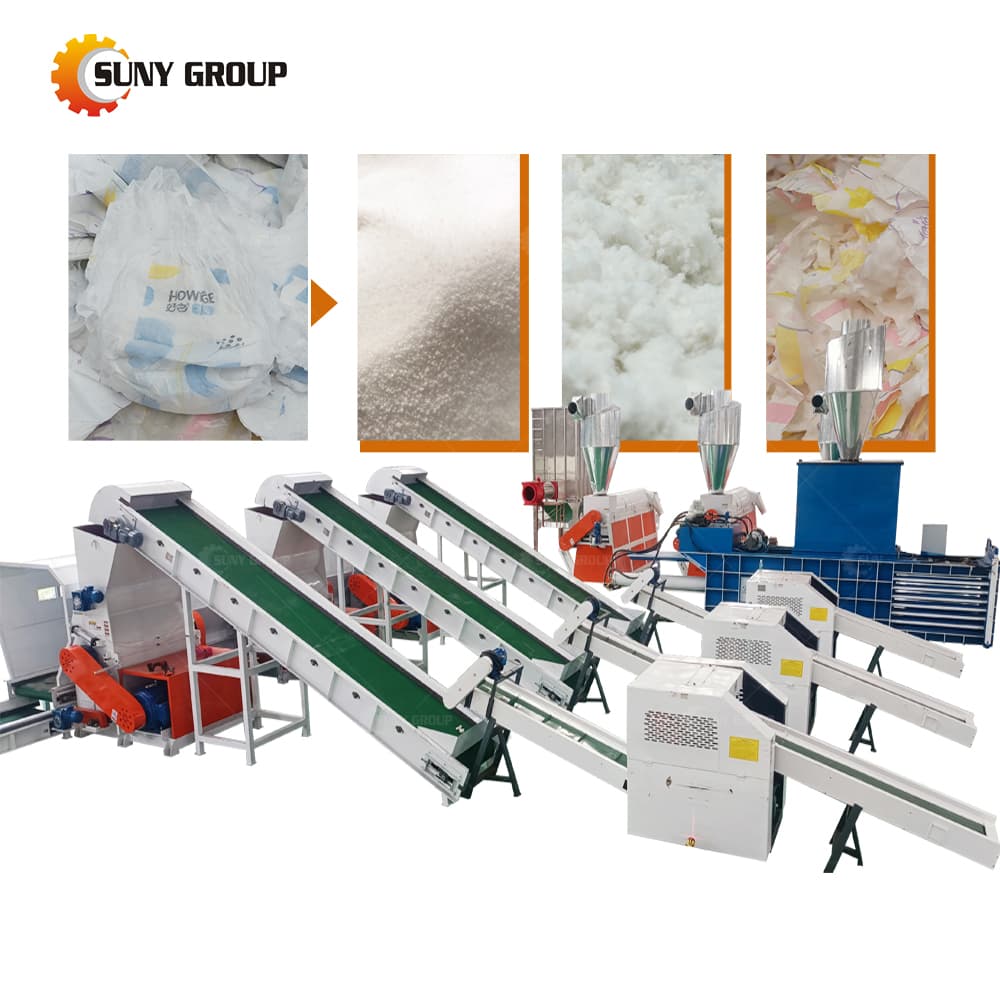
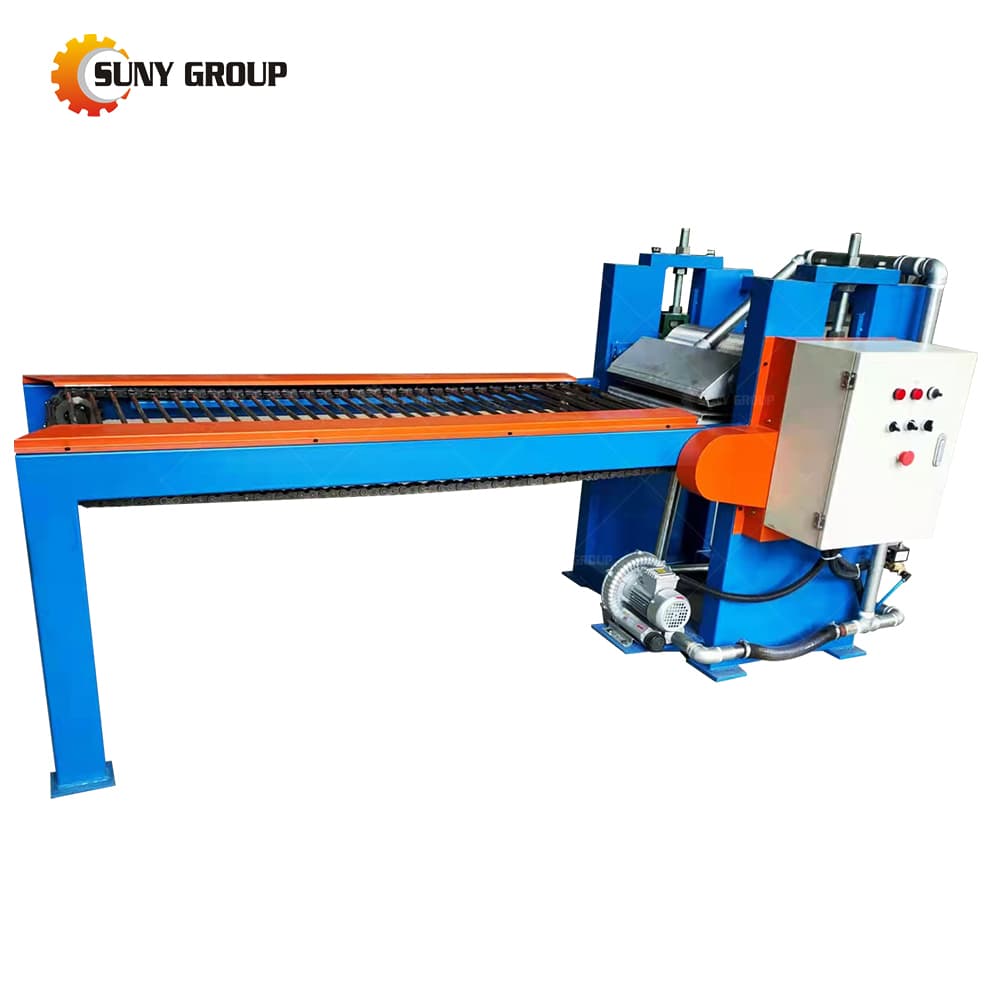
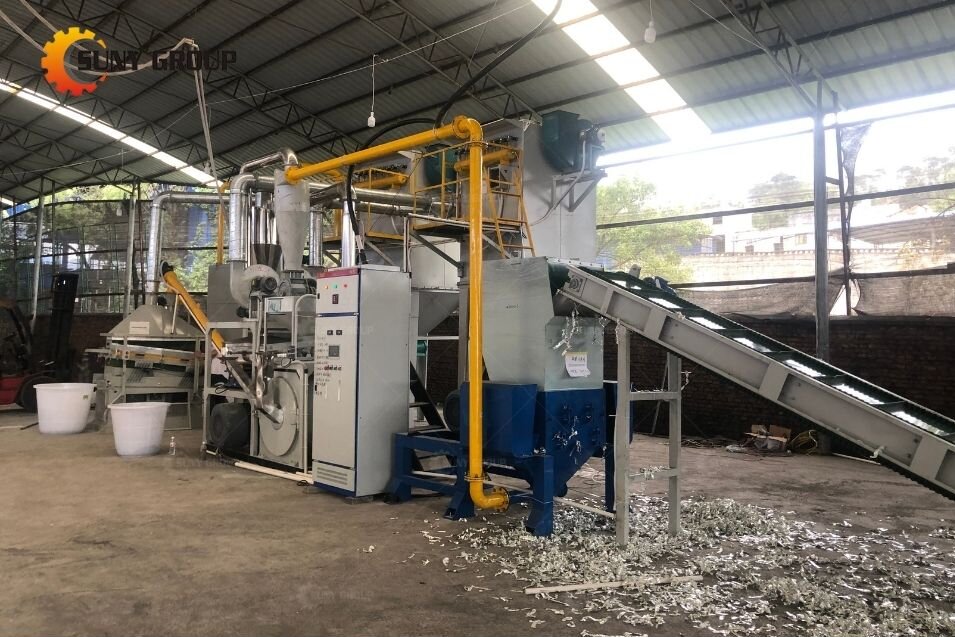
From a technology perspective, mechanical separation remains the most practical solution for startup-scale diaper recycling. A typical diaper recycling system integrates shredding, crushing, air separation, screening, and vibration classification to efficiently separate key components: PE/PP plastics, fluff pulp, and superabsorbent polymer (SAP). More importantly, they allow immediate monetization of recovered materials. Recycled polyethylene and polypropylene can be reprocessed into plastic pellets, pallets, or boards; fluff pulp can be reused in low-grade paper, insulation, or industrial absorbents; while SAP, depending on purity, can serve in construction additives or absorbent applications. Choosing the right diaper recycling machine supplier is therefore less about equipment price and more about separation efficiency, output purity, and long-term operational stability.
However, technology alone does not guarantee success—market validation must come before plant construction. One of the most common mistakes in recycling startups is building capacity before securing buyers. In the diaper recycling business, it is essential to establish off-take agreements in advance for all major outputs, including recycled plastics, pulp, and SAP. Without confirmed downstream demand, even high-quality output becomes a risk to inventory. A robust financial model should include not only capital expenditure and operating costs—such as labor, energy consumption, blade wear, maintenance, and residue disposal—but also realistic revenue assumptions based on current market prices. In many cases, tipping fees and waste management contracts contribute more to profitability than material sales themselves. As the global recycling industry evolves in 2026, diaper recycling is emerging as a niche but promising segment driven by landfill pressure and sustainability mandates. Investors who combine the right feedstock strategy, proven mechanical recycling technology, and secured sales channels will be best positioned to turn diaper waste into a scalable and profitable industrial operation.
👉 Contact Tel: +86 199 0388 6476
👉 Contact Email: sunyrecycle.zack@gmail.com
Welcome to visit SUNY GROUP website. If you want to learn more about our equipments, Contact us Now.
WhatsApp : 86-19903886476
Email : sunyrecycle.zack@gmail.com
Zhengzhou, Henan, China (Mainland)
We specializes in recycling machinery and solid waste treatment solutions, offering aluminum-plastic separation, paper-plastic recycling, diaper recycling, ACP panel stripping and more. We provide customized turnkey systems with raw material testing, installation, training, and strict quality control to ensure stable performance and high recovery rates for long-term customer value.


Provide customized solutions to meet customers' needs for different voltages, capacities, sizes, and appearances
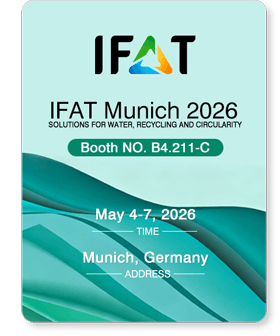
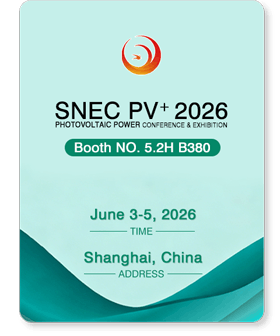
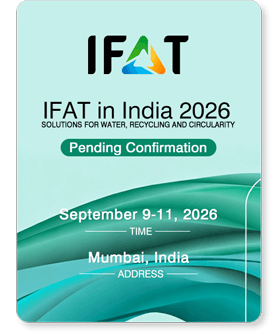
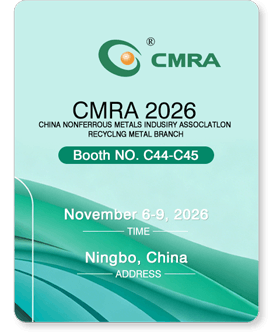
In 2026, we will participate in the following exhibitions and welcome customers to visit us!

Add: No. 401-406, Fifth Street, Jingbei Third Road, Economic and Technological Development Zone, Zhengzhou, Henan, China (Mainland)