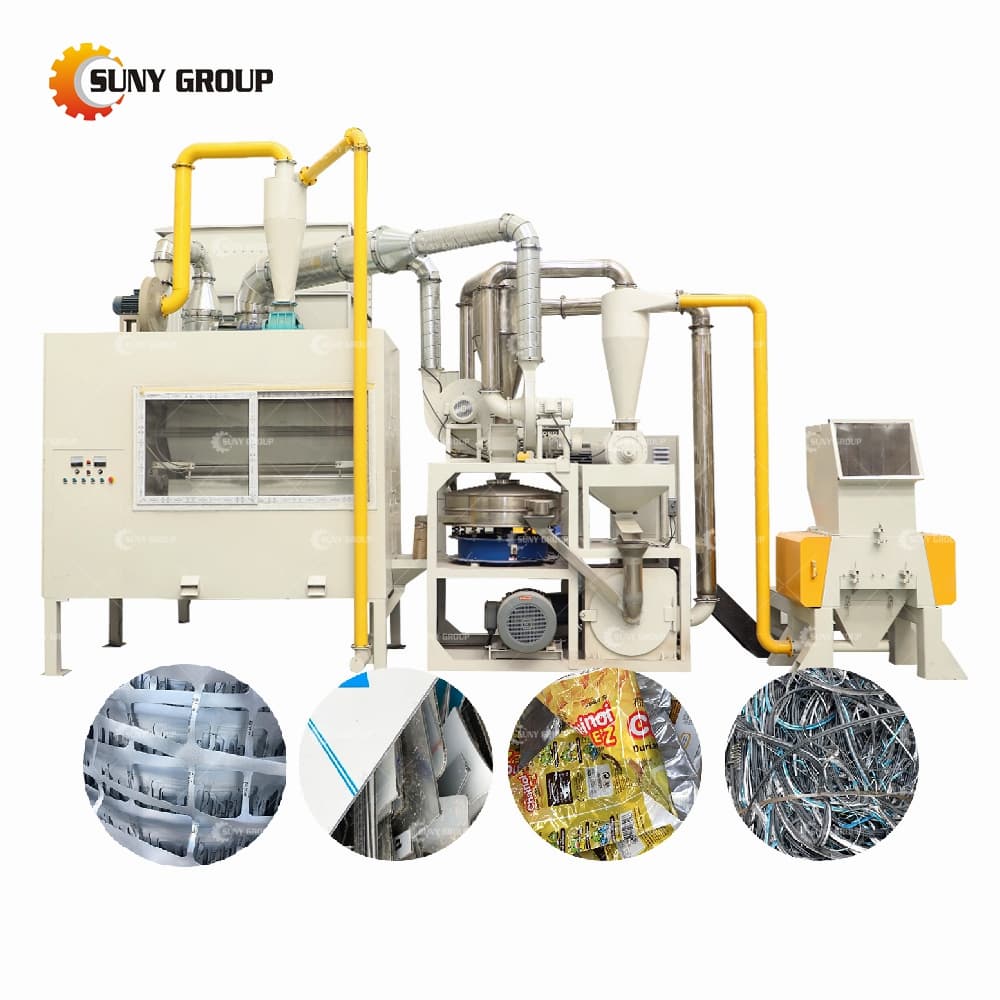
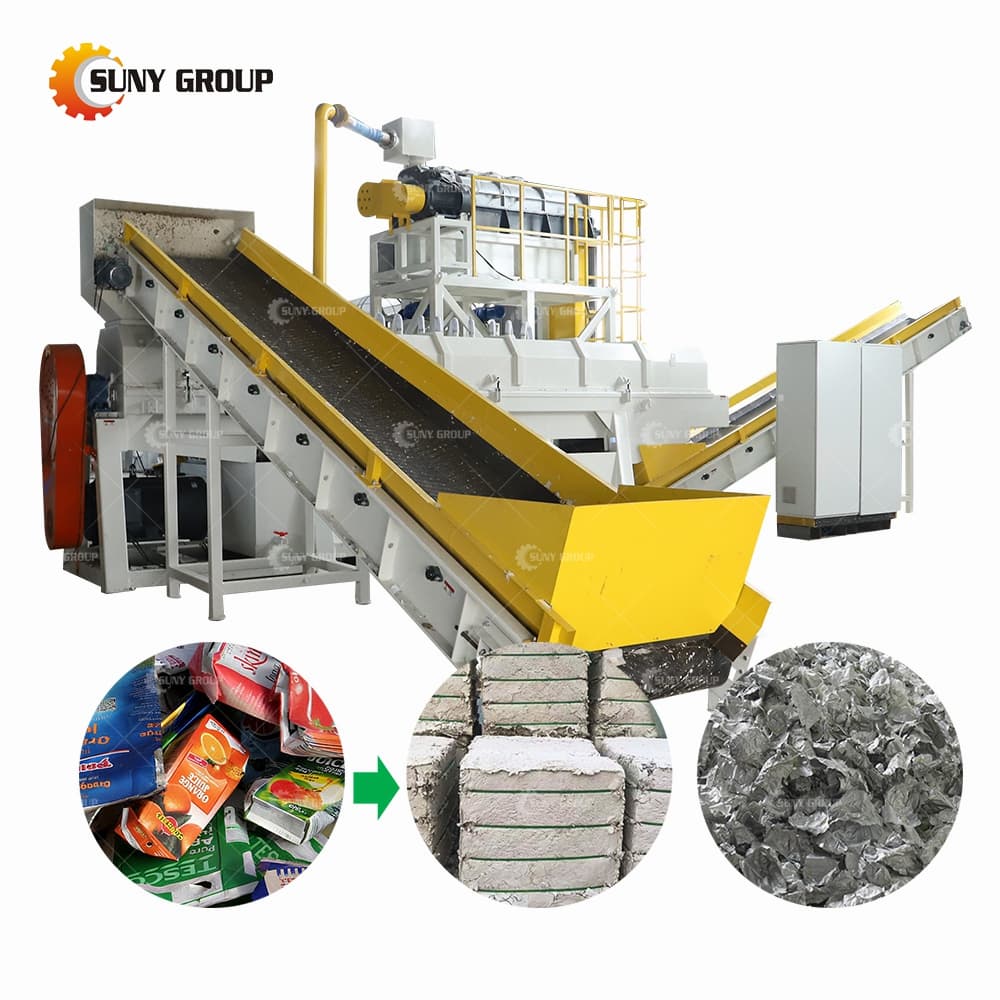
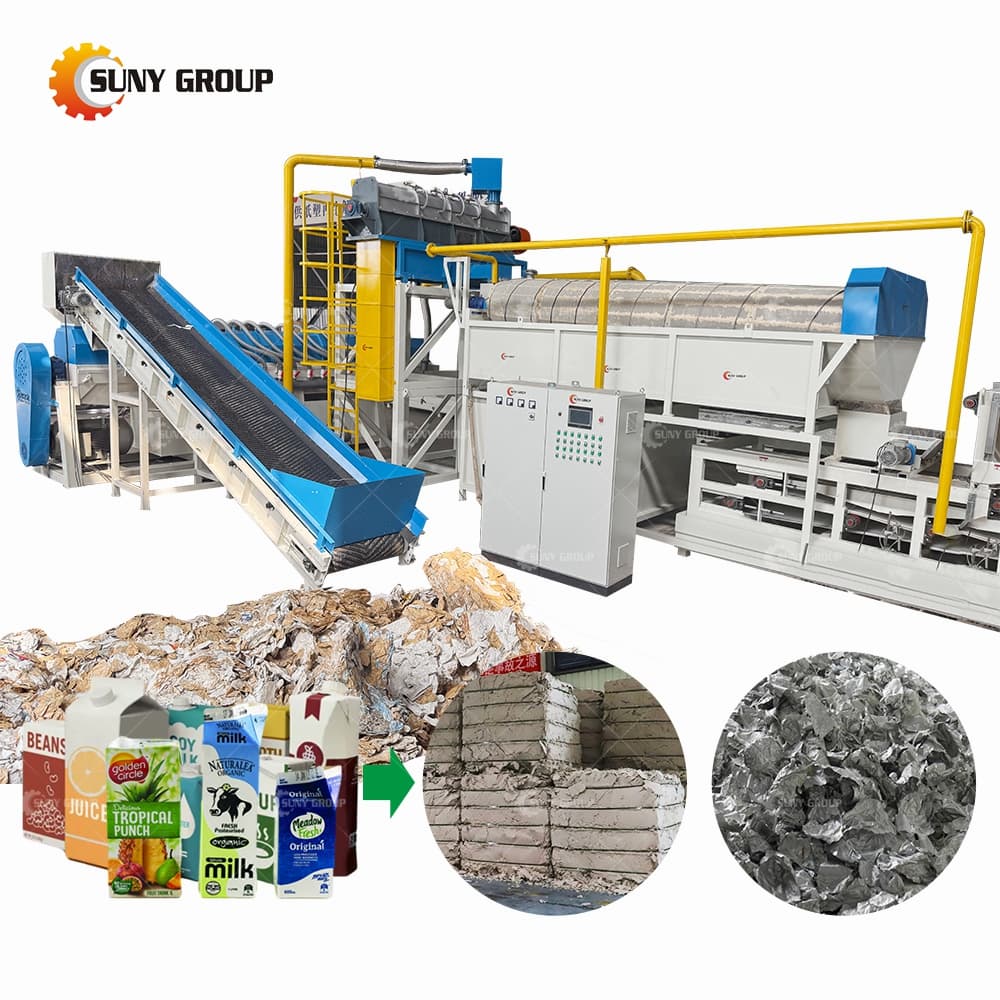
Blister packaging—widely used in pharmaceuticals and consumer goods—combines aluminum foil with plastics such as PVC or PET. While this structure effectively protects products, it creates a significant recycling challenge. The tight bond between metal and polymer makes conventional recovery inefficient, resulting in large volumes of blister waste being underutilized. In response, modern blister pack foil recycling systems have evolved to separate these materials through purely physical processes, enabling the recovery of high-value materials without the need for chemical treatment.
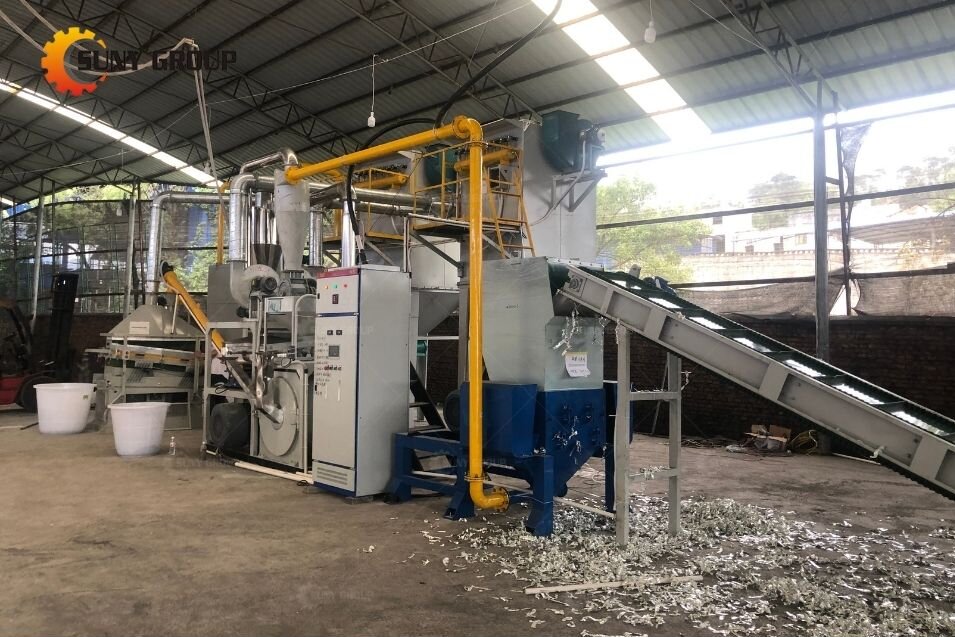
Blister Pack Waste to Aluminum: A Practical Recycling Guide At the core of this approach is a multi-stage mechanical separation process designed to progressively liberate aluminum from plastic. The workflow typically begins with pre-crushing, where blister packs are reduced into smaller fragments. This is followed by fine grinding, often using turbo mills, which break the material down into a mixed powder of aluminum particles and plastic. Once sufficiently liberated, the material passes through air separation systems to remove lighter fractions and improve uniformity before entering the critical sorting stage.
Modern Blister Pack Foil Recycling Systems
Electrostatic separation plays a decisive role in achieving high purity. By leveraging the difference in electrical conductivity between aluminum and plastic, the system separates the mixed powder into two distinct streams. Aluminum particles are collected with minimal contamination, while plastic fractions are diverted for further reuse. Supporting systems, such as pulse dust collectors and negative pressure feeding, ensure that fine particles are captured throughout the process, thereby reducing environmental impact and maintaining stable plant operation.
As recycling regulations tighten and material recovery targets increase, blister pack recycling is moving from a niche application to a scalable industrial solution. The result is a clean and commercially viable output. Aluminum purity levels typically reach 98–99%, making the recovered metal suitable for smelting, alloy production, or direct industrial reuse. At the same time, the separated plastic can be reprocessed into secondary products such as sheets, pipes, or molded components.
👉 Contact Tel: +86 199 0388 6476
👉 Contact Email: sunyrecycle.zack@gmail.com
Welcome to visit SUNY GROUP website. If you want to learn more about our equipments, Contact us Now.
WhatsApp : 86-19903886476
Email : sunyrecycle.zack@gmail.com
Zhengzhou, Henan, China (Mainland)
We specializes in recycling machinery and solid waste treatment solutions, offering aluminum-plastic separation, paper-plastic recycling, diaper recycling, ACP panel stripping and more. We provide customized turnkey systems with raw material testing, installation, training, and strict quality control to ensure stable performance and high recovery rates for long-term customer value.


Provide customized solutions to meet customers' needs for different voltages, capacities, sizes, and appearances
In 2026, we will participate in the following exhibitions and welcome customers to visit us!
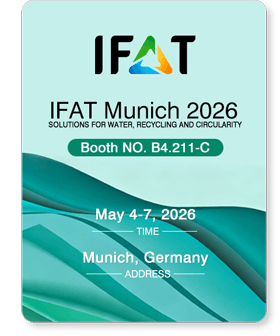
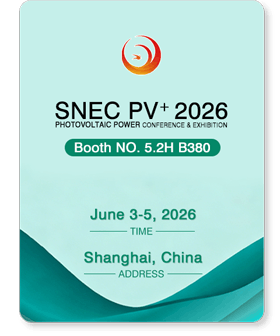
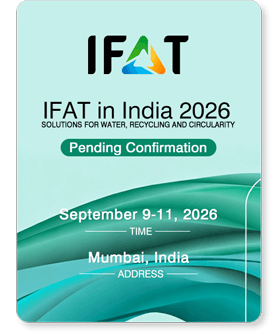
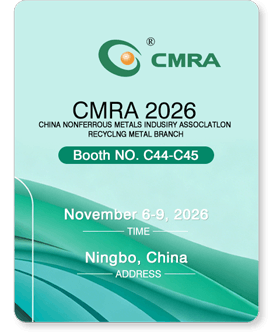

Add: No. 401-406, Fifth Street, Jingbei Third Road, Economic and Technological Development Zone, Zhengzhou, Henan, China (Mainland)